In short
Barcelona fits inside a ten-kilometre radius: beach, hills, architecture and a métro that works. It is the Spanish city where living without a car is easiest.
The neighbourhoods are not interchangeable. Gràcia is a former village with its squares and local life. Sant Antoni has shifted over ten years and now holds the cafés and coworking spaces. Poblenou is the converted industrial quarter, close to the beach and quieter. The Eixample is central, gridded and expensive. El Raval and the Gòtic are the most touristed and the least pleasant to live in.
Arriving and getting around
From El Prat airport, the Aerobús reaches Plaça de Catalunya in about half an hour; métro line 9 South also goes there but requires a specific ticket, dearer than the ordinary one. The R2 Nord train serves Sants and Passeig de Gràcia from terminal 2 only.
Sants is the main station: AVE trains to Madrid, services to France, and a direct métro connection. França, the handsomer of the two, now handles little more than regional trains.
In the city, the rechargeable multi-journey travel card is very much cheaper than single tickets, and covers métro, bus, tram and suburban trains within the central zone.
What it really costs
Rents have risen sharply and the city has tightened short-let rules. Landing a standard lease takes time and a full application: proof of income, a deposit and often a guarantor.
The weekday fixed-price lunch menu is still one of the best deals in Europe — starter, main, dessert and a drink. In the evening the same place serves à la carte, at an entirely different price.
When to come
April–June and September–October: warm without excess, the sea still or already swimmable, and the crowds thinning. July and August are humid and saturated. November to March are mild — rarely below ten degrees — and it is the cheapest period, but swimming is over.
What nobody tells you
Pickpocketing is a genuine problem, concentrated on the métro, along the Ramblas and at the beach. You never put anything down on a terrace table, and a bag does not go on the back of a chair. This is opportunistic theft, not violence.
The tension between residents and tourism is palpable and it has hardened. A few words of Catalan — bon dia, si us plau, gràcies — change the welcome completely, more than Spanish does.
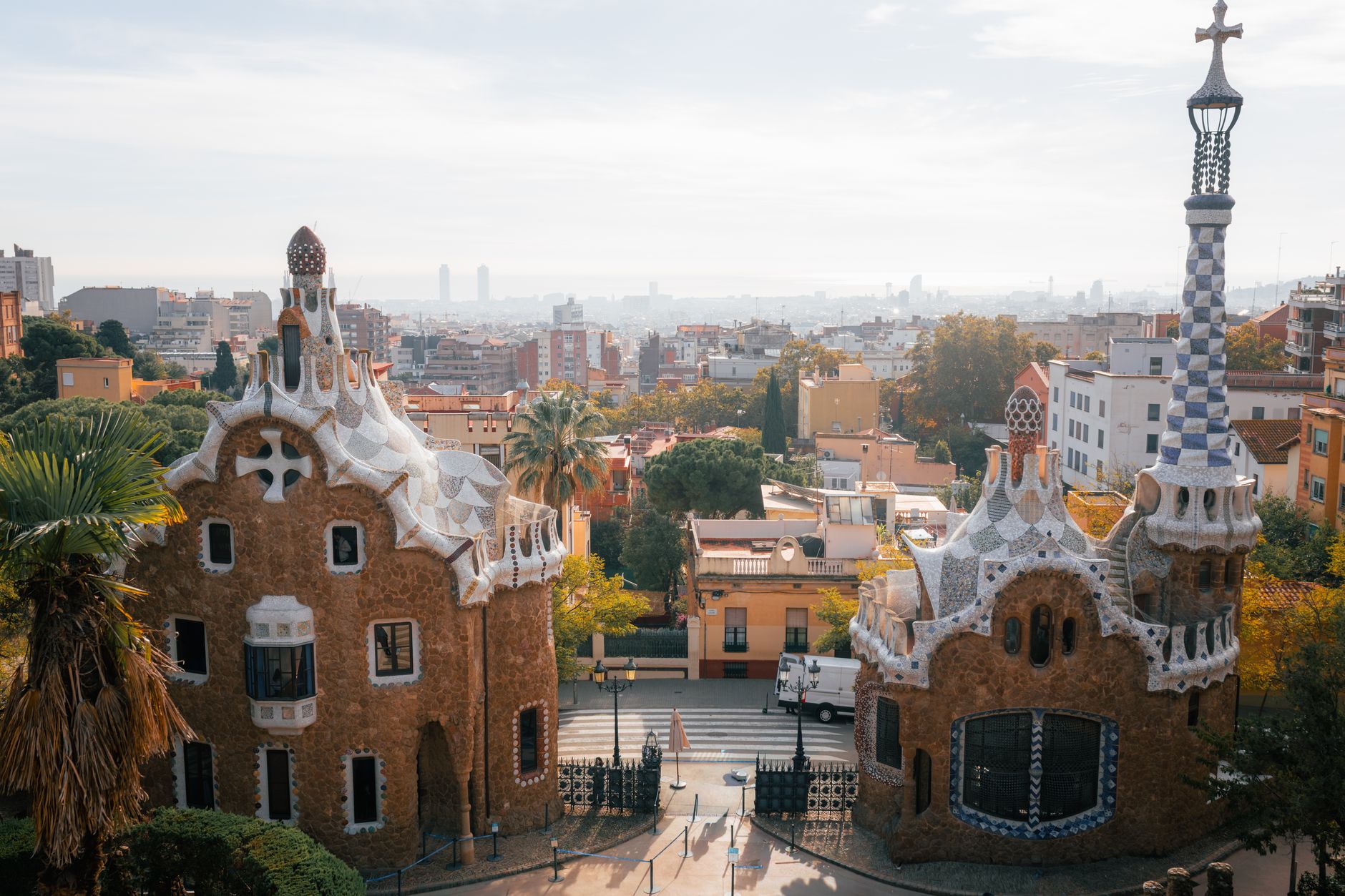
The Sagrada Família, Park Güell and Casa Batlló all require a time slot booked in advance. Turning up without a ticket means turning round.