In short
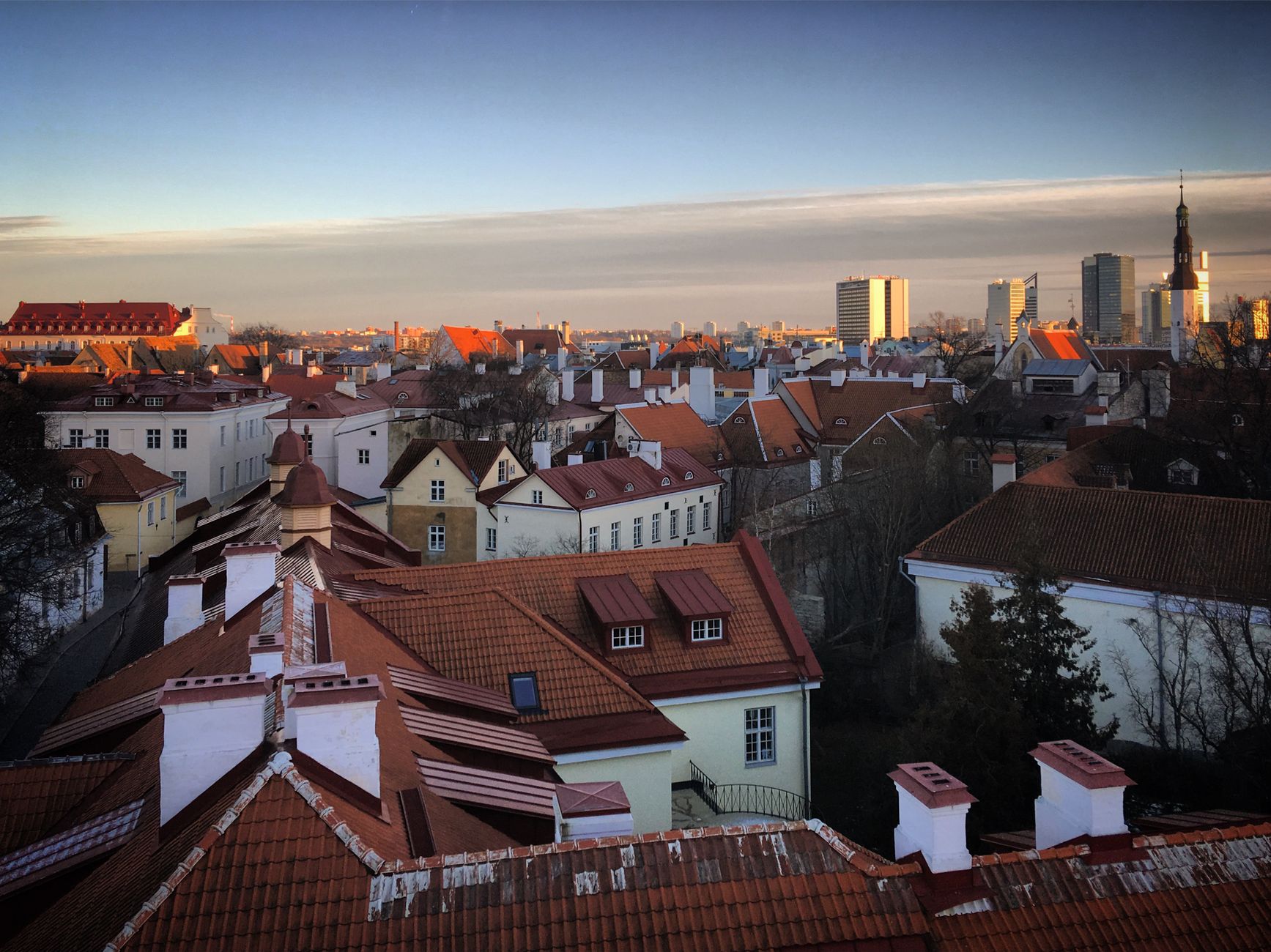
Tallinn has one of the best preserved medieval old towns in northern Europe, World Heritage listed: walls, round towers with conical roofs, Hanseatic merchant houses, and a street plan essentially unchanged since the fifteenth century.
The city reads on two levels. Toompea, the hill, was the seat of power — castle, cathedral, nobility. The lower town was the merchants', with its town hall square. The two were administered separately.
Telliskivi, a former industrial zone to the north-west, is the creative quarter.
Arriving and getting around
The airport is four kilometres from the centre, linked by tram — one of the shortest such links in Europe.
The ferry to Helsinki takes about two hours and runs several times a day: the Finnish capital works as a day trip.
The old town is walked; the cobbles are uneven.
What it really costs
Tallinn is markedly cheaper than the Nordic capitals, which explains the traffic of Finnish passengers.
The old town charges more than the neighbouring districts, a few hundred metres away.
Estonia uses the euro.
When to come
May–September: the days are long and the city lives outdoors.
Winter is cold and dark — daylight lasts about six hours in December — but the old town under snow and the Christmas market justify the trip.
What nobody tells you
Estonia is one of the most digitised states in the world: online voting, electronic signature, public services almost entirely dematerialised, and an e-residency programme allowing foreigners to create and run an Estonian company remotely. It is not a marketing line, it is a documented administrative fact.
Public transport is free for registered residents of Tallinn; visitors pay. The distinction often surprises.
Kumu, the Estonian art museum in Kadriorg park, covers the Soviet period and socialist realism in particular — the clearest way into the country's recent history.
St Catherine's Passage and Rataskaevu street hold the craft workshops in the old town, away from the main flow.