In short
Rotorua smells of sulphur, and that is the first thing everyone notices. The town sits on an active geothermal field: steam vents rise from public parks and private gardens. You get used to it in a day.
It is also the centre of Māori culture accessible to travellers, on the territory of Te Arawa. Whakarewarewa is a living village where families still cook with steam from the ground.
The centre clusters around Eat Streat and the lake. Ohinemutu, a Māori village on the lakeshore, has an Anglican church decorated with traditional carving.
Arriving and getting around
Rotorua is about three hours by road from Auckland and one hour from Taupo. The airport is small, with domestic flights.
The geothermal sites are scattered: Te Puia in town, Wai-O-Tapu half an hour south, Waimangu between the two. A car saves a full day across the set.
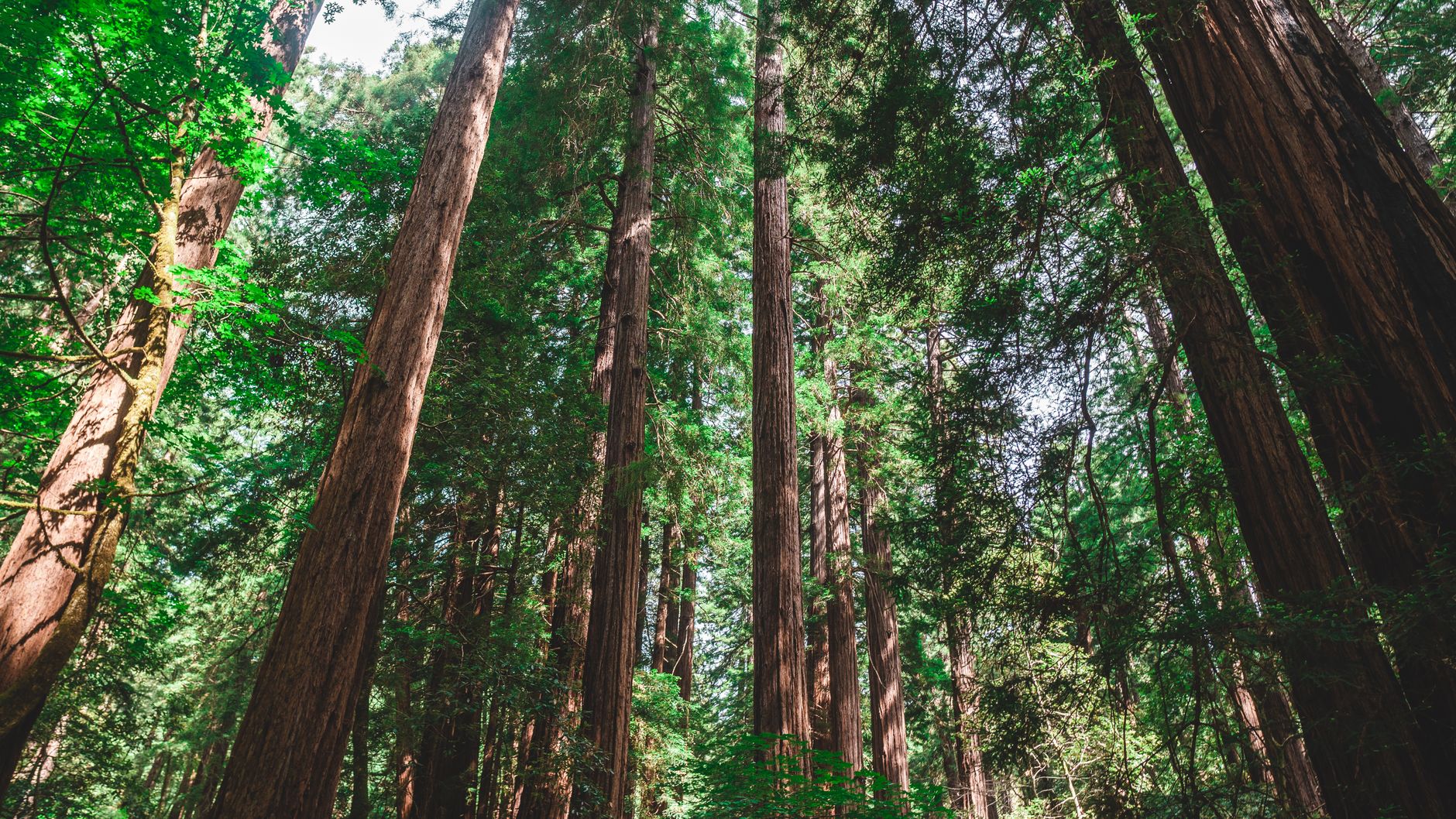
The Redwoods Whakarewarewa Forest, five minutes from the centre, is one of the great mountain-biking areas of the southern hemisphere, with a free trail network.
What it really costs
Rotorua is markedly cheaper than Queenstown, for both housing and activities: it makes an economical base for the North Island.
Entry to the private geothermal parks is the main item. Kuirau Park, in the town centre, is free and shows mud pools and steam vents without a ticket.
When to come
Geothermal activity does not depend on the season. March–May and September–November avoid the summer crowds.
Winter is cool and wet, but that is when the hot pools make most sense.
What nobody tells you
The Pohutu geyser, at Te Puia, erupts on average once or twice an hour and can reach some thirty metres. It is not regulated: there is no timetable to consult, you wait.
The Blue and Green Lakes (Tikitapu and Rotokakahi) are seen from the same viewpoint and share neither colour nor status: the Green Lake is tapu, sacred, and access to its shores is forbidden.
The sulphur smell gets into fabric. Many places to stay ask that swimwear used in the pools not be brought inside.