In short
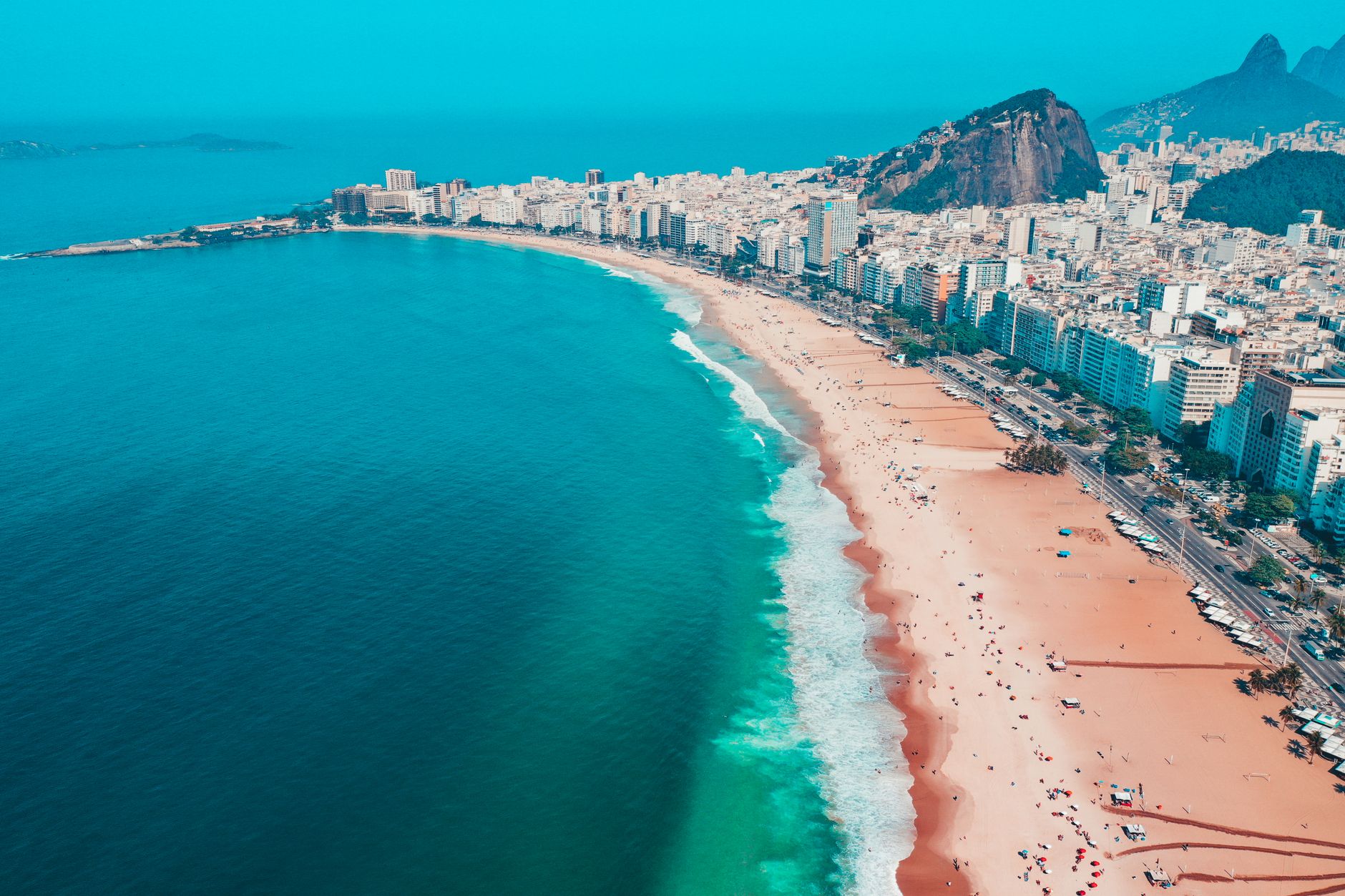
Rio is a city wedged between mountain and sea, and that constraint produced its shape: the wealthy districts occupy the flat coastal strips, the favelas the slopes above. The Tijuca forest, separating the northern and southern zones, is one of the largest urban forests in the world.
Copacabana and Ipanema are the southern beaches. Leblon is the most affluent district. Santa Teresa, on its hill, keeps old mansions and an artists' life. Lapa, below, holds the nightlife around its arches.
Arriving and getting around
Two airports: Galeão, international, to the north, and Santos Dumont, downtown, for domestic flights.
The metro serves the southern zone and the centre adequately. Ride-hailing apps are in common use and recommended at night.
Christ the Redeemer is reached by the rack railway from Cosme Velho, to be booked ahead; the Sugarloaf by two successive cable cars.
What it really costs
Rio is affordable for a foreign visitor, but the southern zone charges markedly more than the rest of the city.
Beach quiosques and pay-by-weight restaurants, the por quilo, are the common economical options.
When to come
May–October: the southern winter, drier and less stifling, with temperatures that stay pleasant.
Carnival, in February or March depending on the year, multiplies prices and fills the city. Copacabana's New Year does the same.
Summer (December–March) is hot, very humid, with violent storms.
What nobody tells you
Safety calls for specific habits rather than fear: do not display a phone or jewellery in the street, avoid walking alone at night away from busy routes, do not go up into a favela without local accompaniment. Your own foreign ministry's official advice should be consulted before departure.
Arpoador, the rock between Ipanema and Copacabana, is the sunset viewpoint: the crowd applauds the sun every evening. It is free.
The beaches are numbered by postos, lifeguard stations, and each has its own public — sporty, family, LGBT+, surfers. Locals arrange to meet by posto number.
The Selarón steps, between Lapa and Santa Teresa, were covered in tiles by a Chilean artist over twenty years, until his death in 2013.