In short
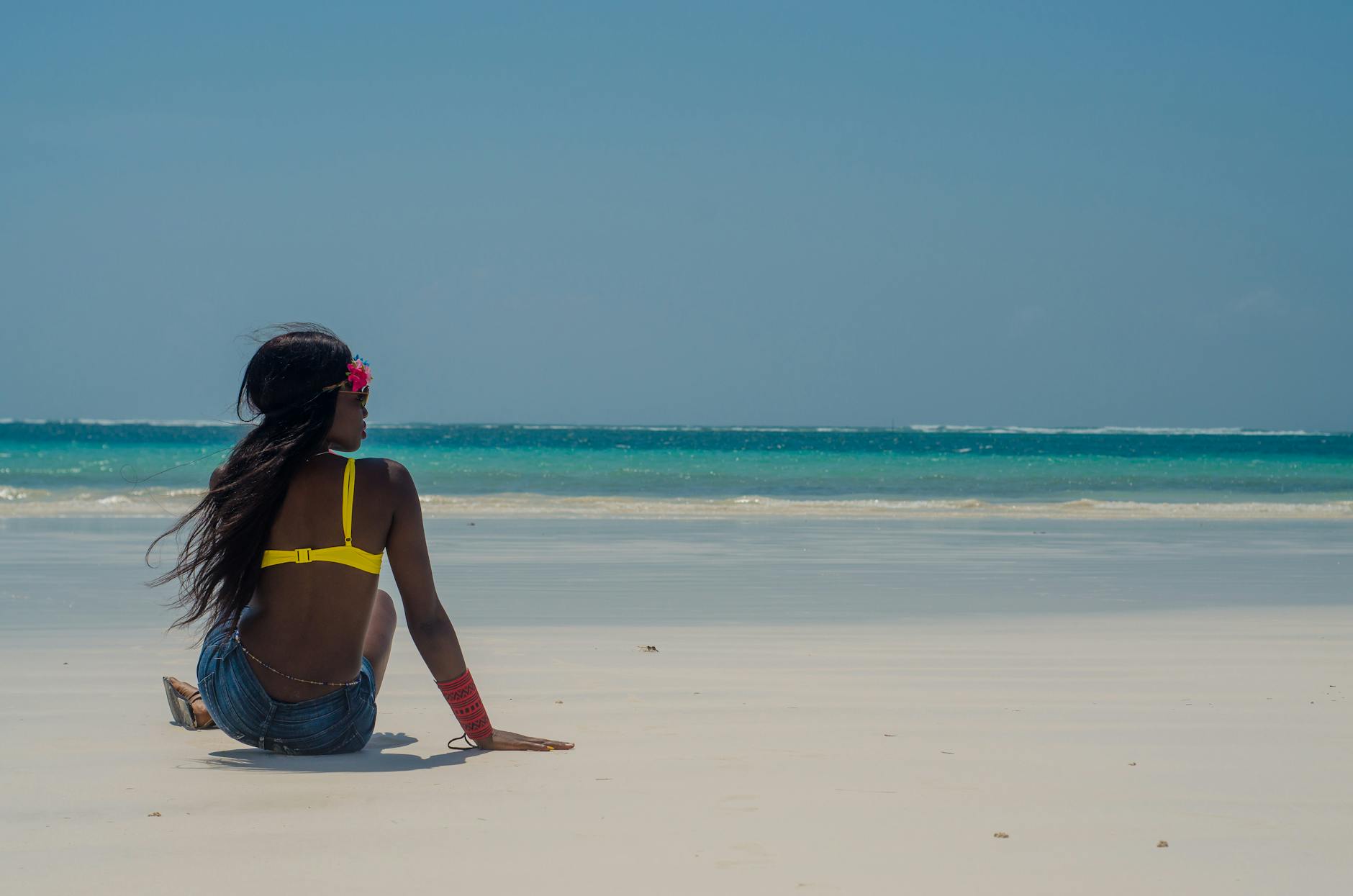
Diani Beach is the great beach of Kenya's south coast: seventeen kilometres of white sand backed by a lagoon protected by a reef. It is Kenya's seaside destination, the complement to the safaris inland.
There is no town centre as such: a road parallel to the beach serves hotels, restaurants and shopping centres, and everything happens along that axis.
Arriving and getting around
Ukunda airstrip is a few minutes away and takes domestic flights from Nairobi — the simplest way in.
By road from Mombasa you must take the Likoni ferry, which crosses the channel. It is free for pedestrians and the wait at peak times can be long: build that delay into any transfer.
Tuk-tuks and boda-bodas, motorcycle taxis, handle local journeys.
What it really costs
Diani is affordable compared with the Indian Ocean islands, with options from guesthouse to resort.
Many establishments run all-inclusive; the independent restaurants along the road are markedly cheaper.
When to come
December–March and July–October are the dry seasons.
The long rains fall from April to June: the low season, and part of the trade closes.
Seaweed can wash ashore depending on season and wind, mainly early in the year.
What nobody tells you
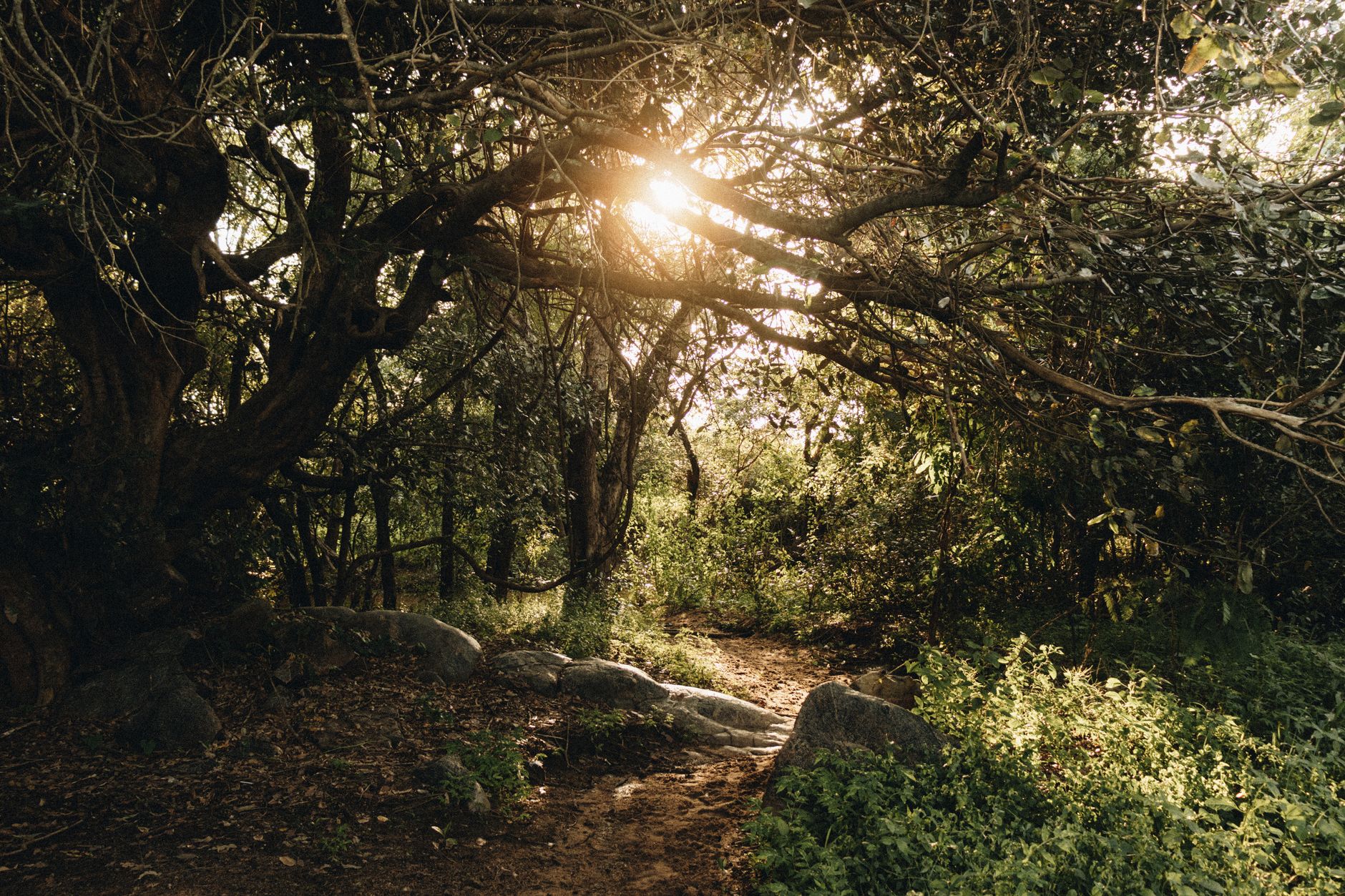
The Angolan colobus lives in the trees along the road, and rope bridges have been installed above the carriageway to let them cross without being run over. It is a local conservation measure, visible from the road.
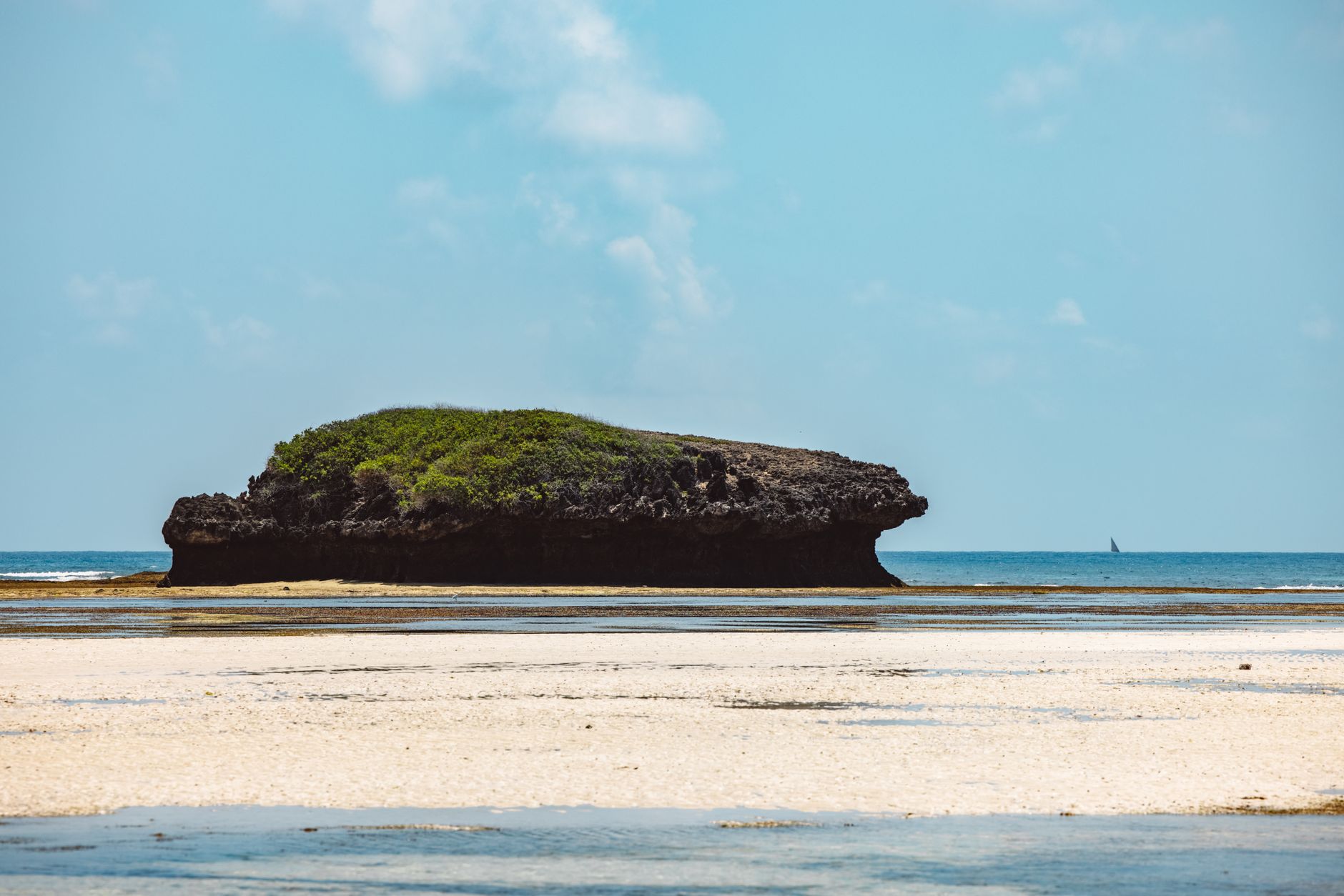
The reef protects the lagoon: swimming there is calm and safe, but the tidal range widely exposes the flats at low tide, as elsewhere on this coast.
Kisite-Mpunguti marine park, further south towards Shimoni, is the best snorkelling in the region, with dolphins frequently present.
The Shimba Hills, under an hour away, form a reserve holding sable antelope, a species not found elsewhere in Kenya.
Sales approaches on the beach are frequent; they generally stop at a clear refusal.