In short
Darwin is closer to Dili, Bali and Singapore than to Sydney, and it shows in the food, the population and the climate. It is the capital of the Northern Territory and the gateway to Kakadu and Litchfield.
The city is small and rebuilt: Cyclone Tracy destroyed it at Christmas 1974, and today's architecture dates from after that. The Waterfront and Cullen Bay are the developed seafronts; Mitchell Street holds the nightlife; Parap and Nightcliff hold the neighbourhood markets.
Arriving and getting around
Darwin has two seasons, and they decide the trip. The dry season, May to October, is the one with open roads, reachable waterfalls and markets. The wet season, November to April, brings monsoon, storms and cyclone risk; tracks and sites in Kakadu close.
The airport is eight kilometres from the centre. The national parks need a car — many tracks require a four-wheel drive and are closed during the wet.
What it really costs
Prices rise in the dry season and fall in the wet, by margins unusual for Australia. Part of the tourist offering simply shuts between November and March.
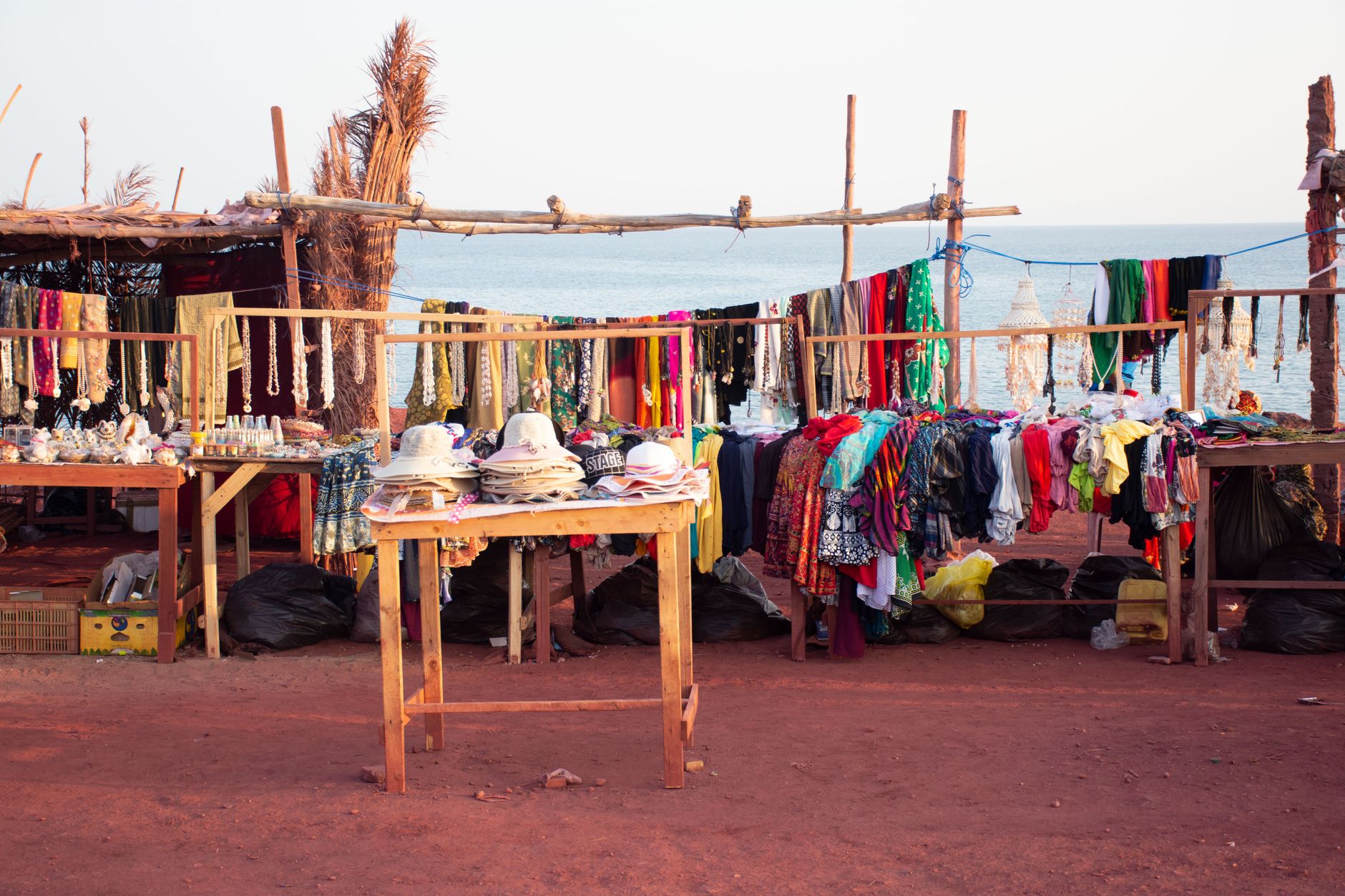
The Mindil Beach Sunset Market, the big sunset market, runs in the dry season only.
When to come
May–June: the dry season has just begun, the vegetation is still green, the waterfalls are running, the crowds are not there yet.
The build-up, October to December, is the wait for the monsoon: peak heat and humidity without the rain that relieves them.
What nobody tells you
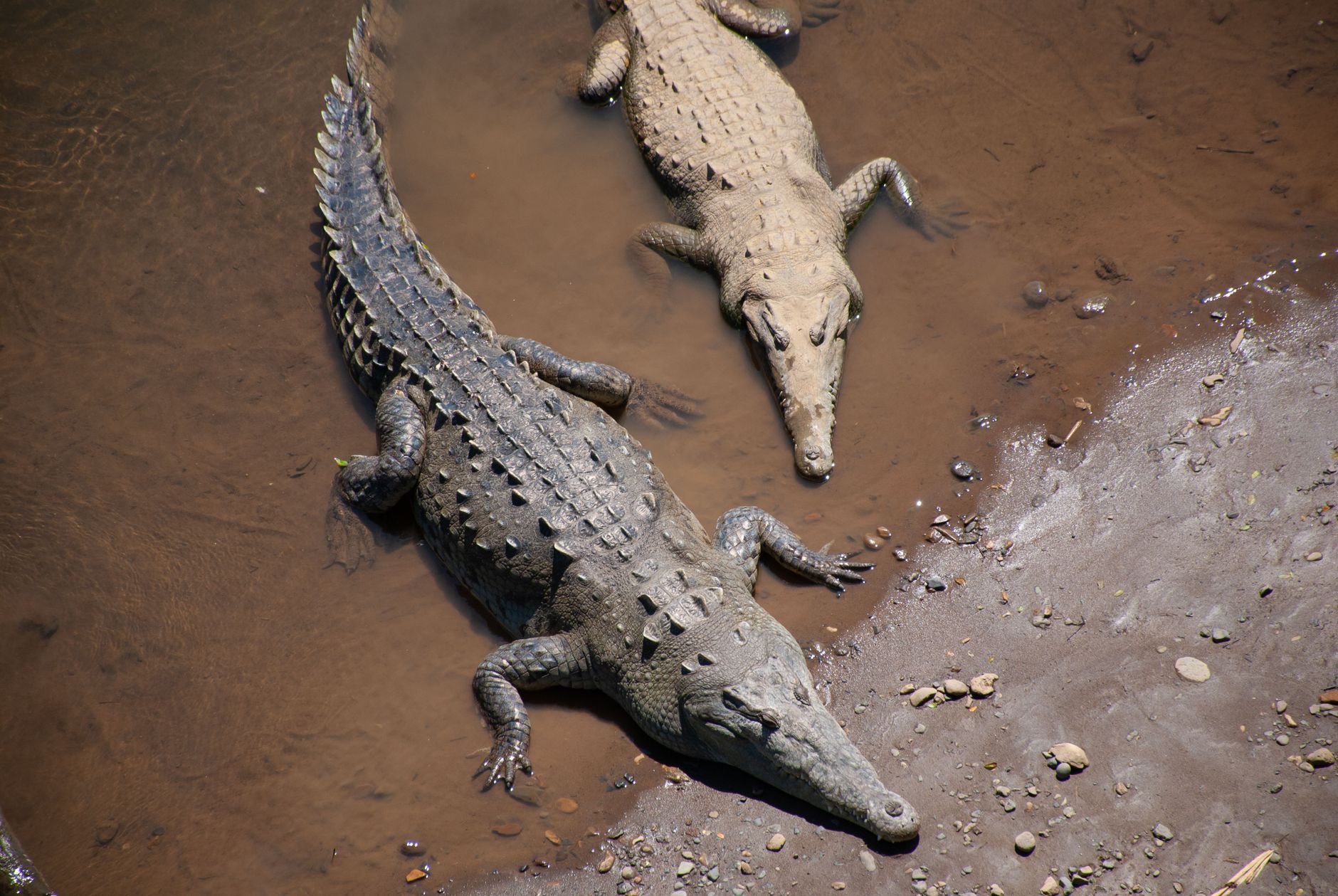
Saltwater crocodiles live in every waterway in the region, the sea included, and far up the rivers. Not swimming outside explicitly authorised sites is not excessive caution, it is the local rule.
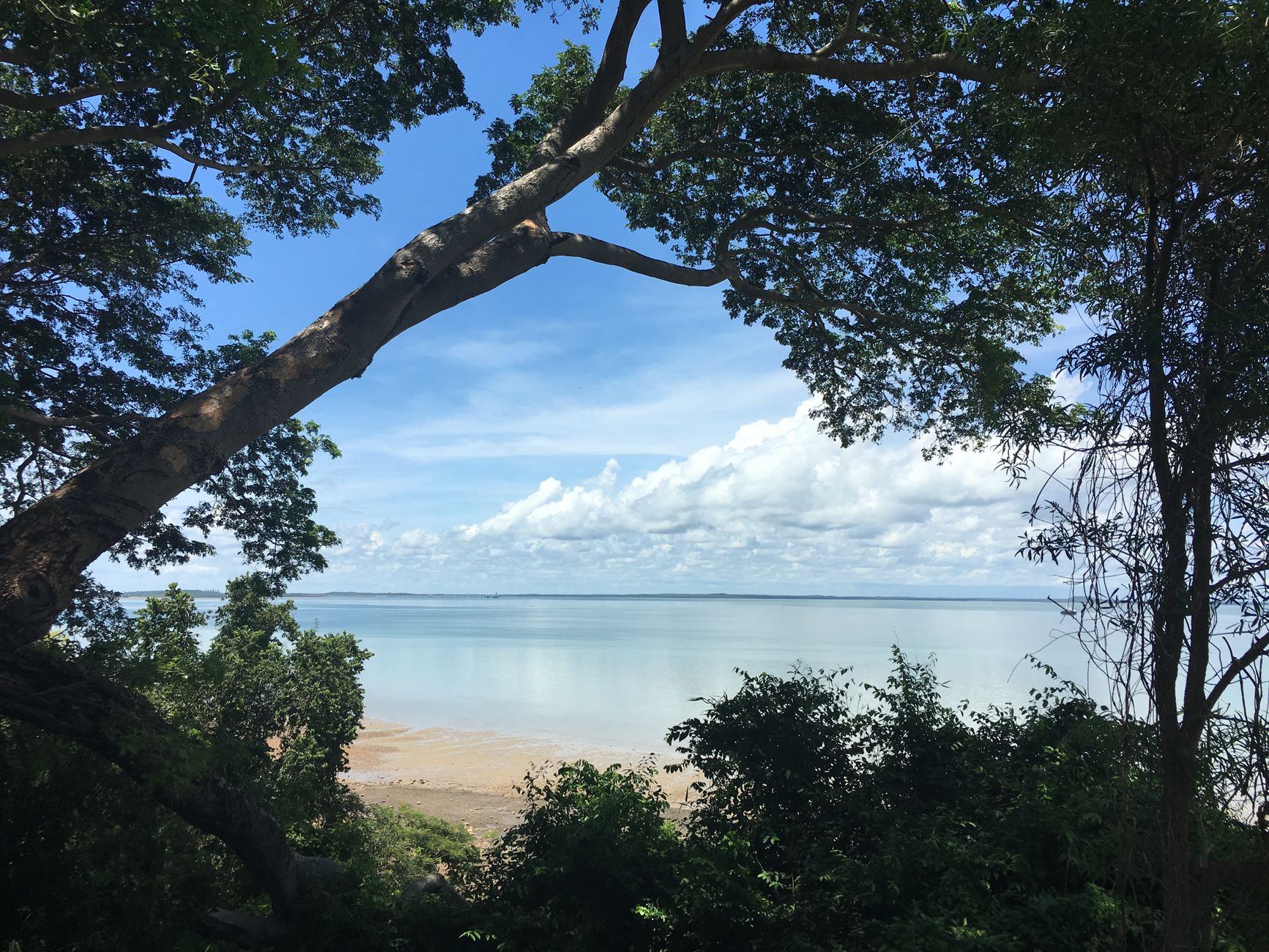
The wet season adds box jellyfish and irukandji: sea swimming is advised against from October to May. The city provides a secured artificial lagoon at the Waterfront for precisely that reason.