In short
Wanaka is what Queenstown used to be: a lake, mountains, and a town still built to a human scale. An hour separates the two, and the choice between them shapes a stay in Otago.
The centre is a handful of streets by Lake Wanaka, facing the peaks of Mount Aspiring National Park. Everything is walkable, and life concentrates on the lakefront.
Arriving and getting around
No commercial airport: you arrive via Queenstown, an hour away by road.
Two routes lead here, and they are not equivalent. The Crown Range Road is the highest sealed road in New Zealand: shorter, spectacular, but exposed to ice and snow, with a chain requirement in winter. The route via Cromwell is longer and always passable.
A car is necessary for the trailheads.
What it really costs
Wanaka is expensive, but less so than Queenstown, and the gap shows mainly in high-season accommodation.
There are few shops: supermarket choice is limited and prices higher than in a larger town.
When to come
December–March for walking and the lake; July–September for skiing at Cardrona and Treble Cone.
April gives the autumn colours on the lakeside poplars, with a light photographers come for.
What nobody tells you
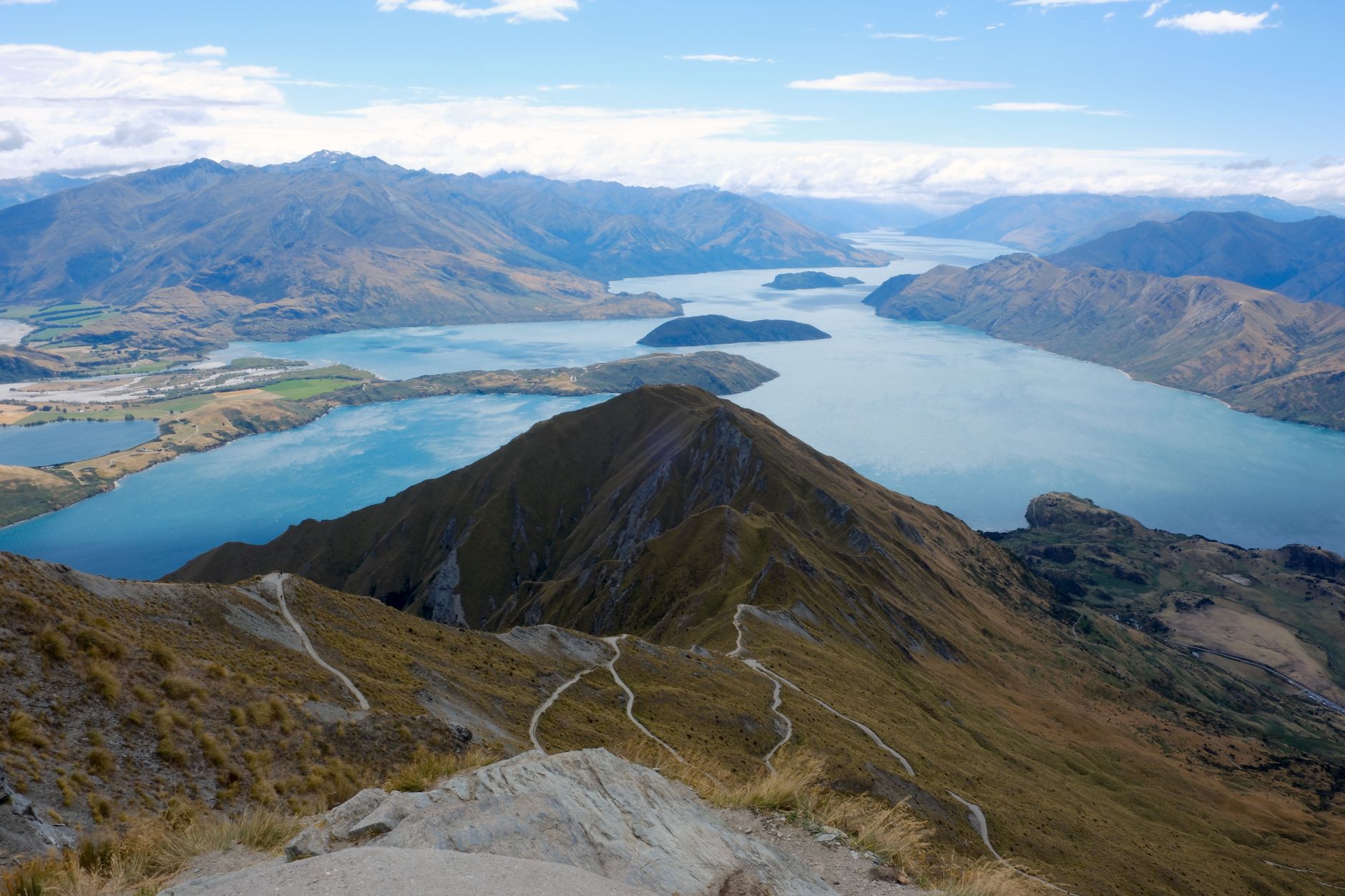
Roys Peak has become one of the most photographed walks in the country: sixteen kilometres return and 1,200 metres of climb, with no shade and no water. The queue for the photo at the viewpoint is real in summer. The track closes every year from 1 October to 10 November for lambing — the land is private and the closure is enforced.
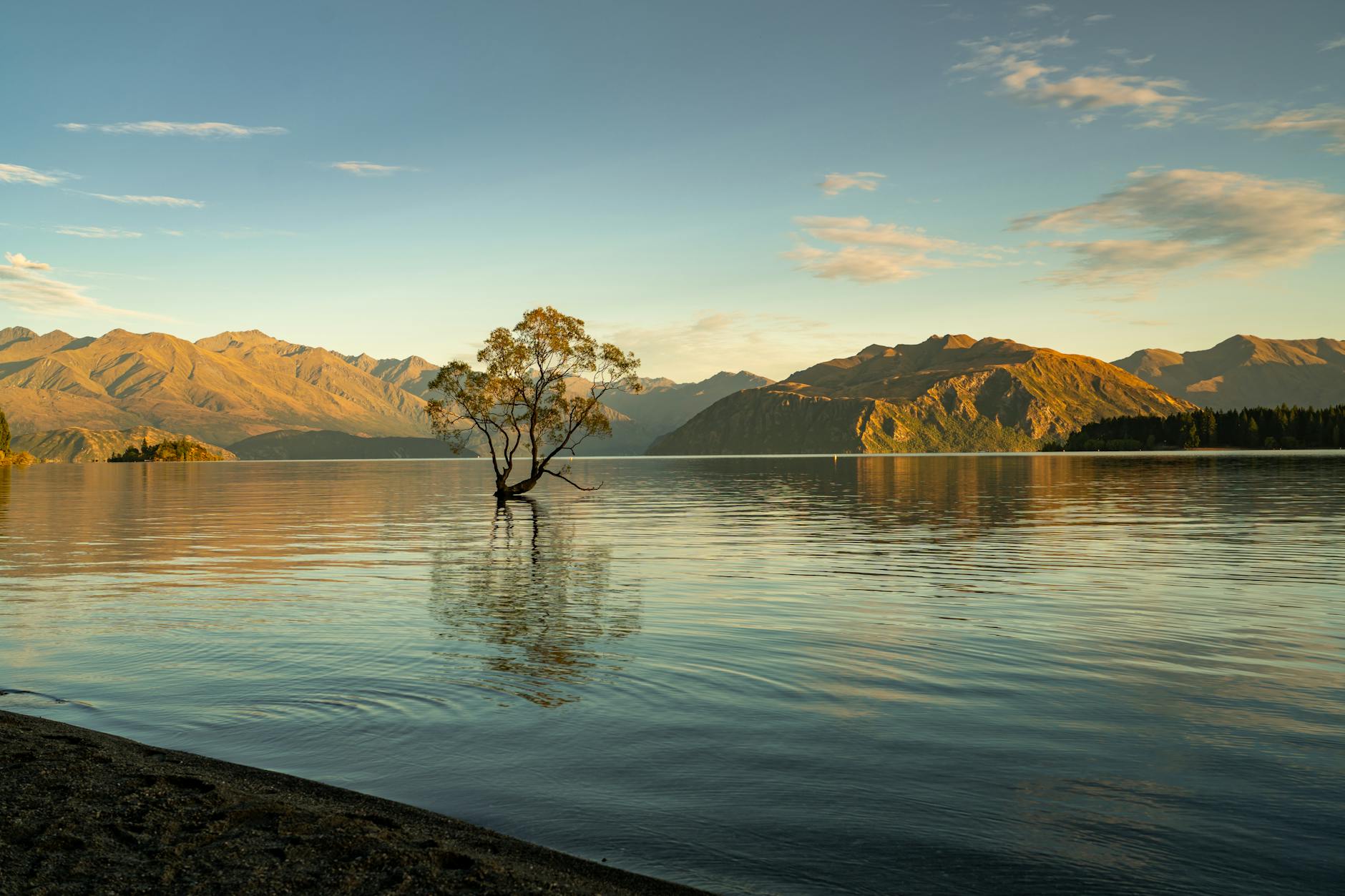
#ThatWanakaTree, the willow growing in the lake, is a few minutes from the centre. How visible it is depends on the lake level, which varies a great deal.
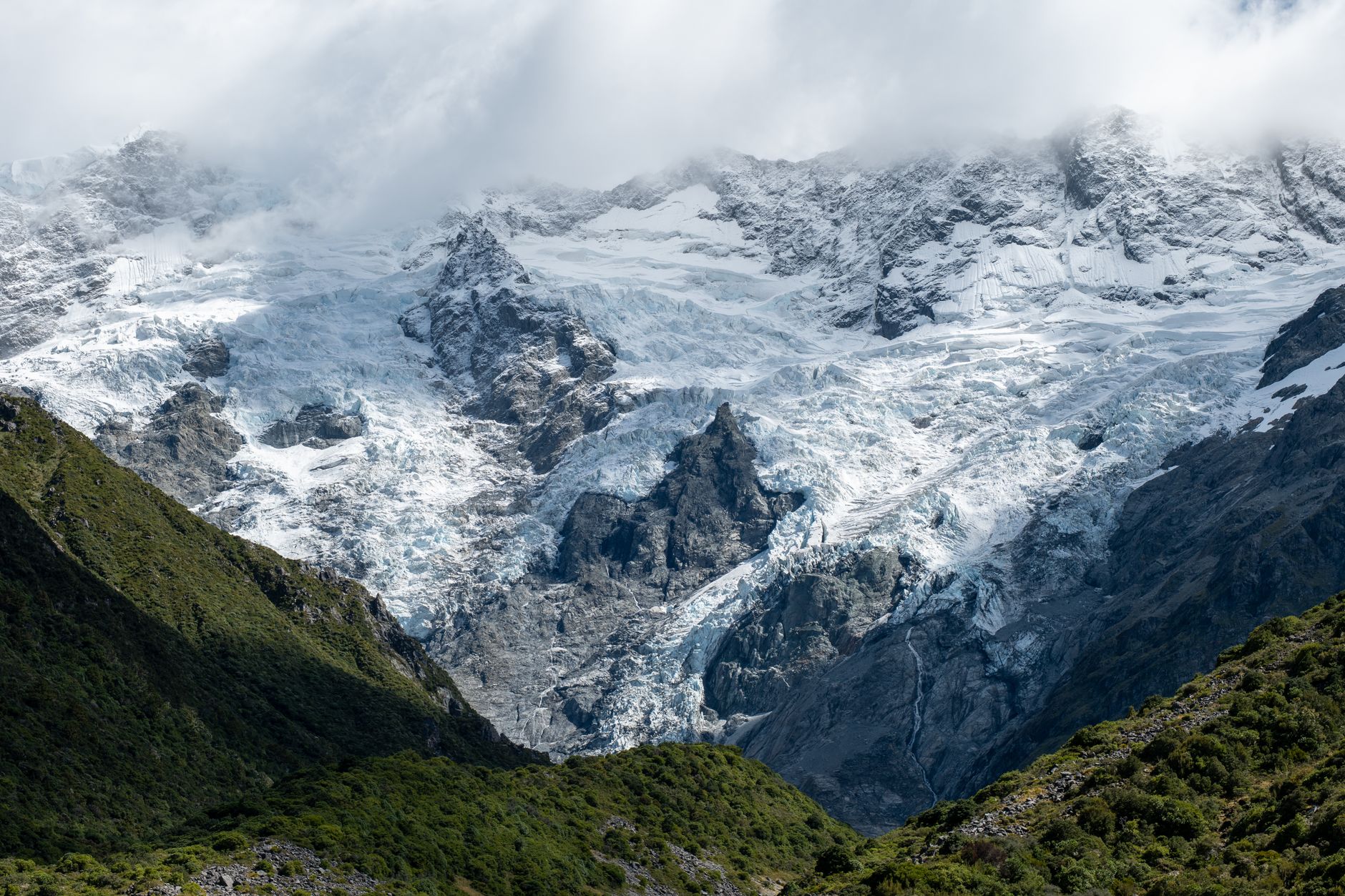
The Rob Roy Glacier Track, in the Matukituki valley, requires driving through several fords: after heavy rain the road becomes impassable without a four-wheel drive.