In short
There are no cars, no bicycles, no scooters. Everything happens on foot or on the water, and it is the only city in Europe where that still holds.
The historic centre now has fewer than fifty thousand residents, against more than a hundred and fifty thousand in the fifties. The city is emptying of the people who live in it while filling with those who pass through.
What it really costs
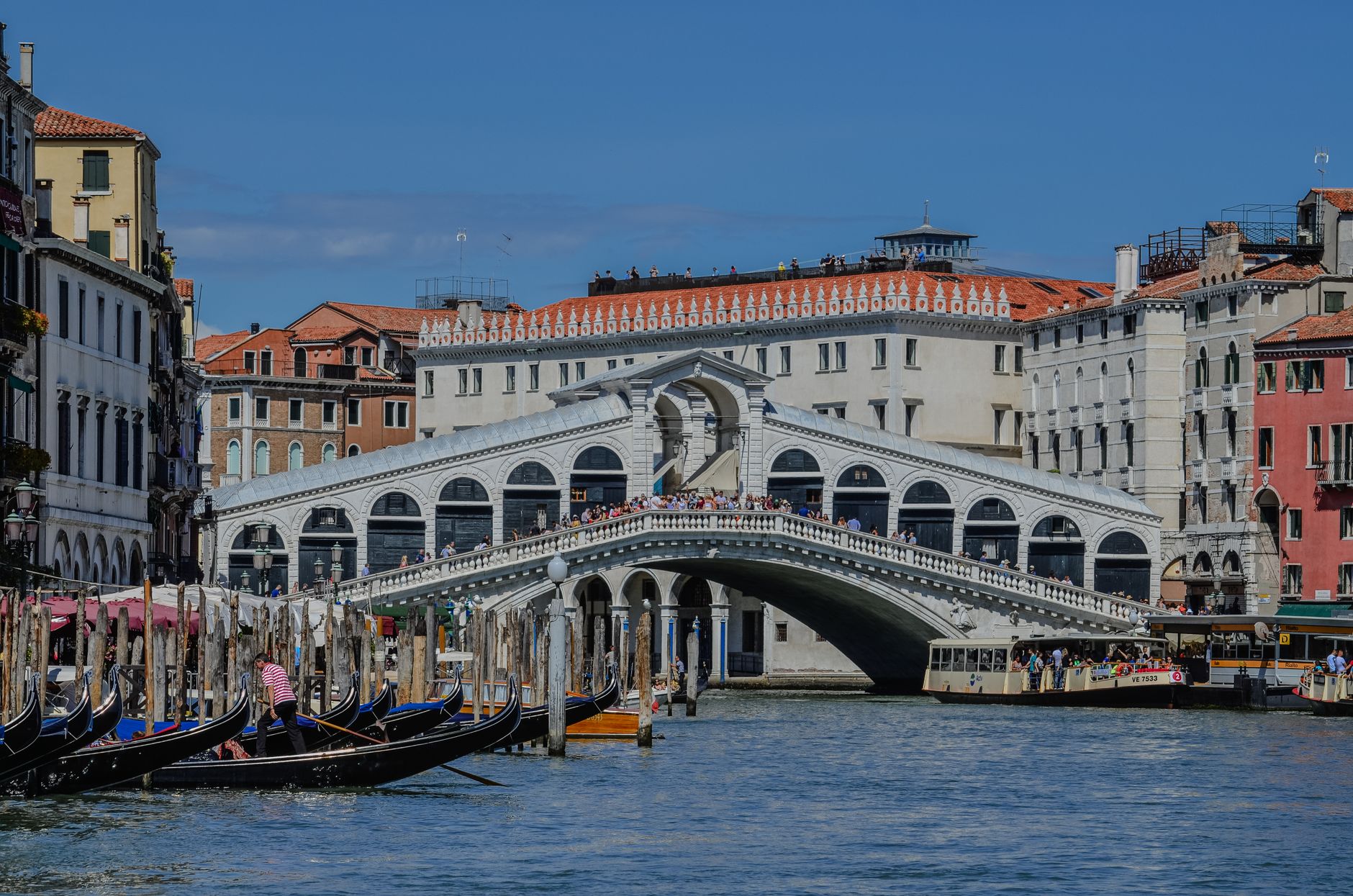
The vaporetto is expensive per trip: a single fare approaches ten euros and the bill mounts fast. The twenty-four, forty-eight or seventy-two hour pass pays for itself on the third journey.
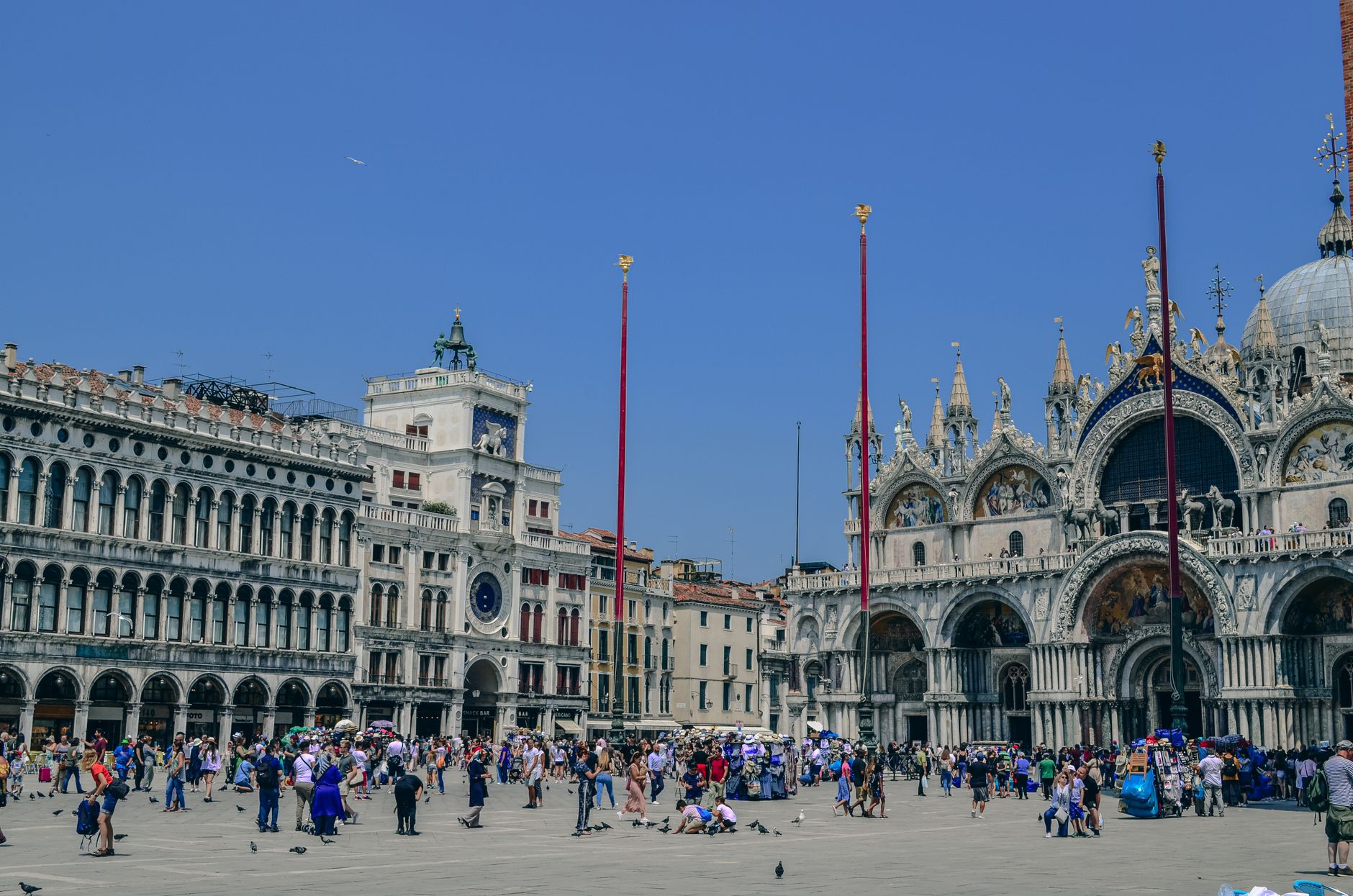
In a café, sitting down changes the price. An espresso at the counter costs a fraction of the same one served at a table on Saint Mark's Square, and the difference is posted: it is legal, it is not hidden.
What nobody tells you
Venice charges day visitors to enter. The access contribution applies on a published list of busy days in spring and summer, and is paid online before you come. It does not apply to anyone staying the night.
Acqua alta reaches the city from October to January. The walkways come out, the sirens give warning, and boots are hired everywhere — it is a nuisance, it does not close the city.
Flats in the centre are overwhelmingly on short-term letting, which the council is trying to curb. A long stay is hard to arrange and costs what a capital costs.