In short
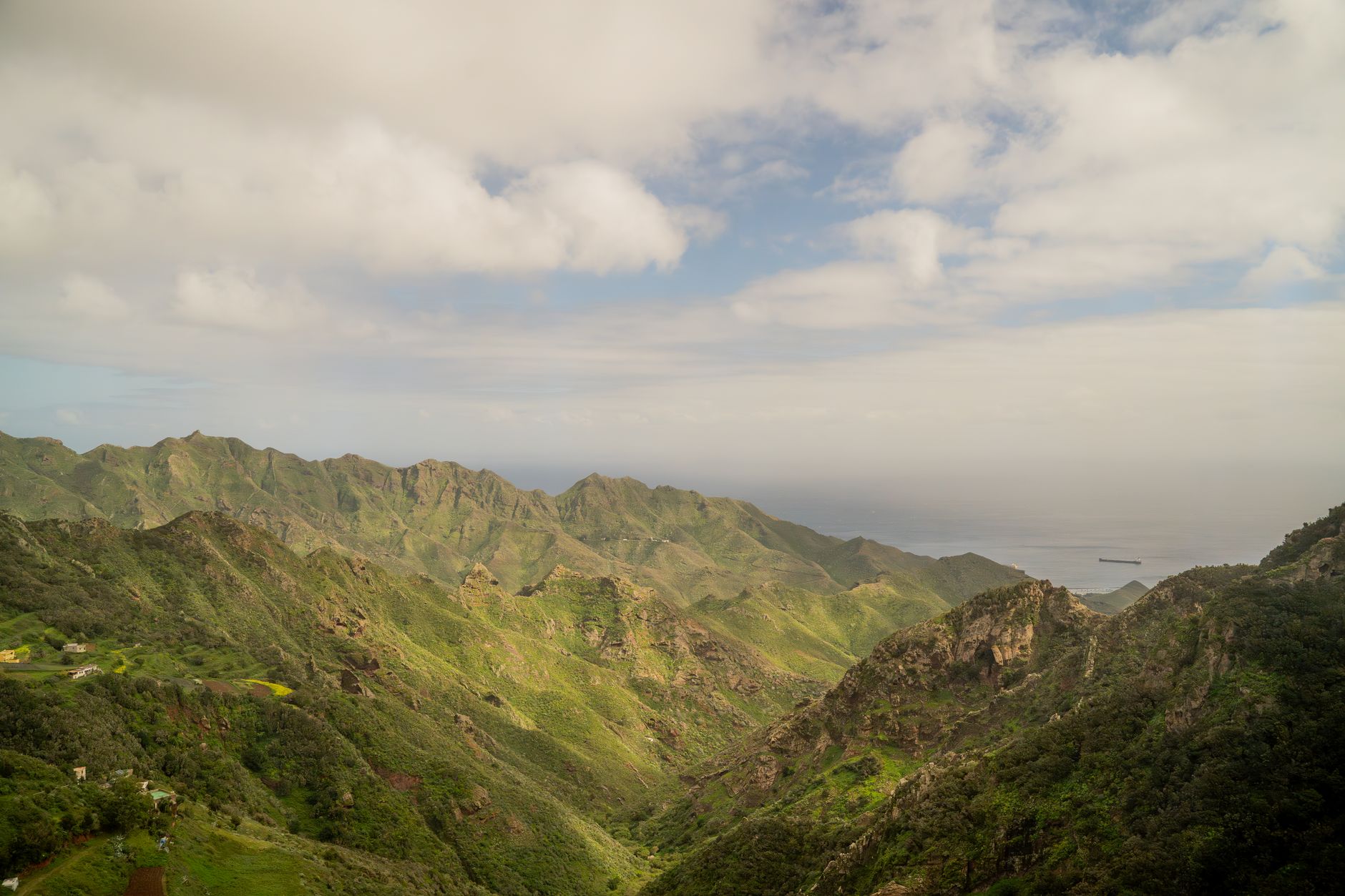
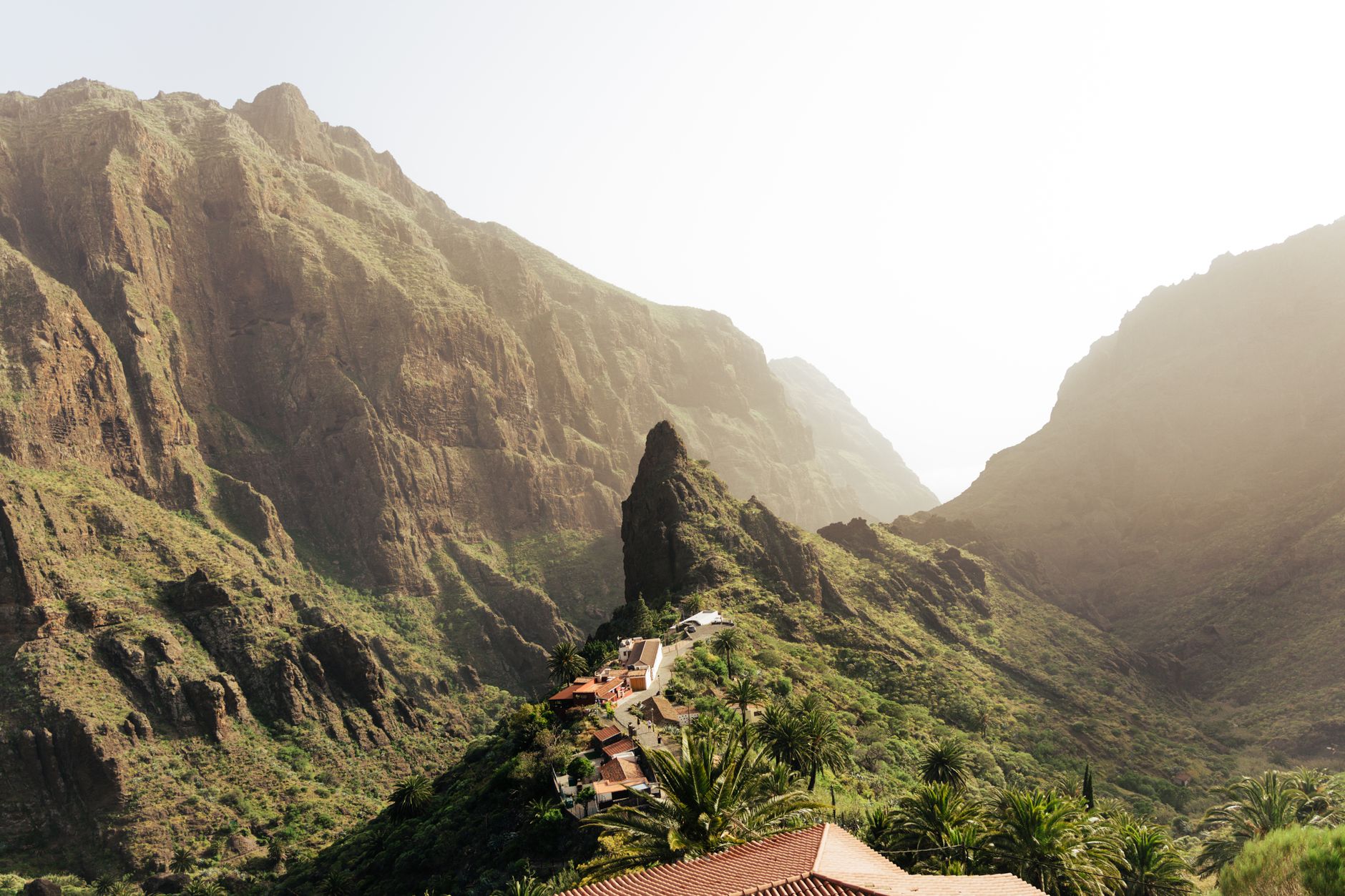
Tenerife is two islands in one, separated by a volcanic ridge. The north is green, wet, cultivated, with old villages and black sand beaches. The south is dry, sunny all year, and holds the resorts. Choosing one or the other decides the trip more than any other factor.
Santa Cruz is the administrative capital. La Laguna, just above, is World Heritage listed for its colonial plan. Puerto de la Cruz is the historic northern resort. Los Cristianos and Playa de las Américas form the southern tourist pole.
Arriving and getting around
Two airports, and it is not a detail: Tenerife South takes most international flights, Tenerife North mainly inter-island and domestic links. They are an hour apart by road.
The TITSA bus network covers the island adequately, but a car changes everything for Anaga and Teide. The mountain roads are narrow and winding.
Ferries link Tenerife to La Gomera, La Palma and El Hierro from Los Cristianos.
What it really costs
The touristic south is more expensive than the north for an equivalent standard. La Laguna and Puerto de la Cruz offer markedly more affordable housing.
Fuel is cheaper than in mainland Spain, the Canaries having a distinct tax regime.
When to come
All year. That is the island's argument: temperatures vary little. The north is cloudier in winter, the south permanently dry.
The Santa Cruz carnival, in February–March, is among the largest in the world and fills the island.
What nobody tells you
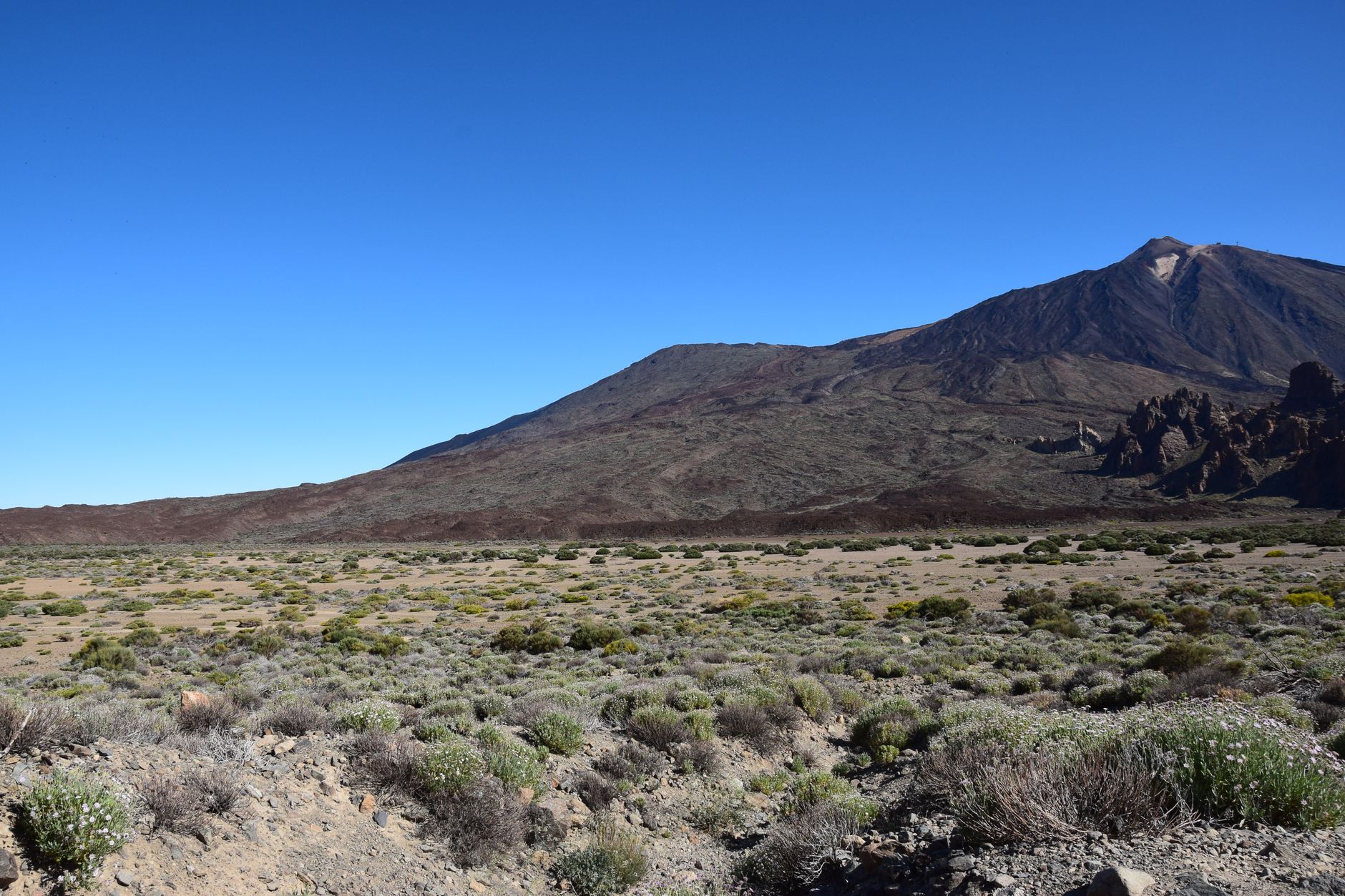
Access to Teide's summit cone, above 3,555 metres, requires a free permit booked in advance from the national park; daily places are limited. Without it, the cable car sets you down at the foot of the cone with no way to the top. It is the most common planning mistake on the island.
Teide reaches 3,715 metres: it is the highest point in Spain, and it is cold and windy there even when the coast is at twenty-five degrees.
The Anaga massif, in the north-east, is a biosphere reserve of laurel forest — a relict ecosystem from the Tertiary. It is an hour from Santa Cruz and receives a fraction of Teide's visitors.