In short
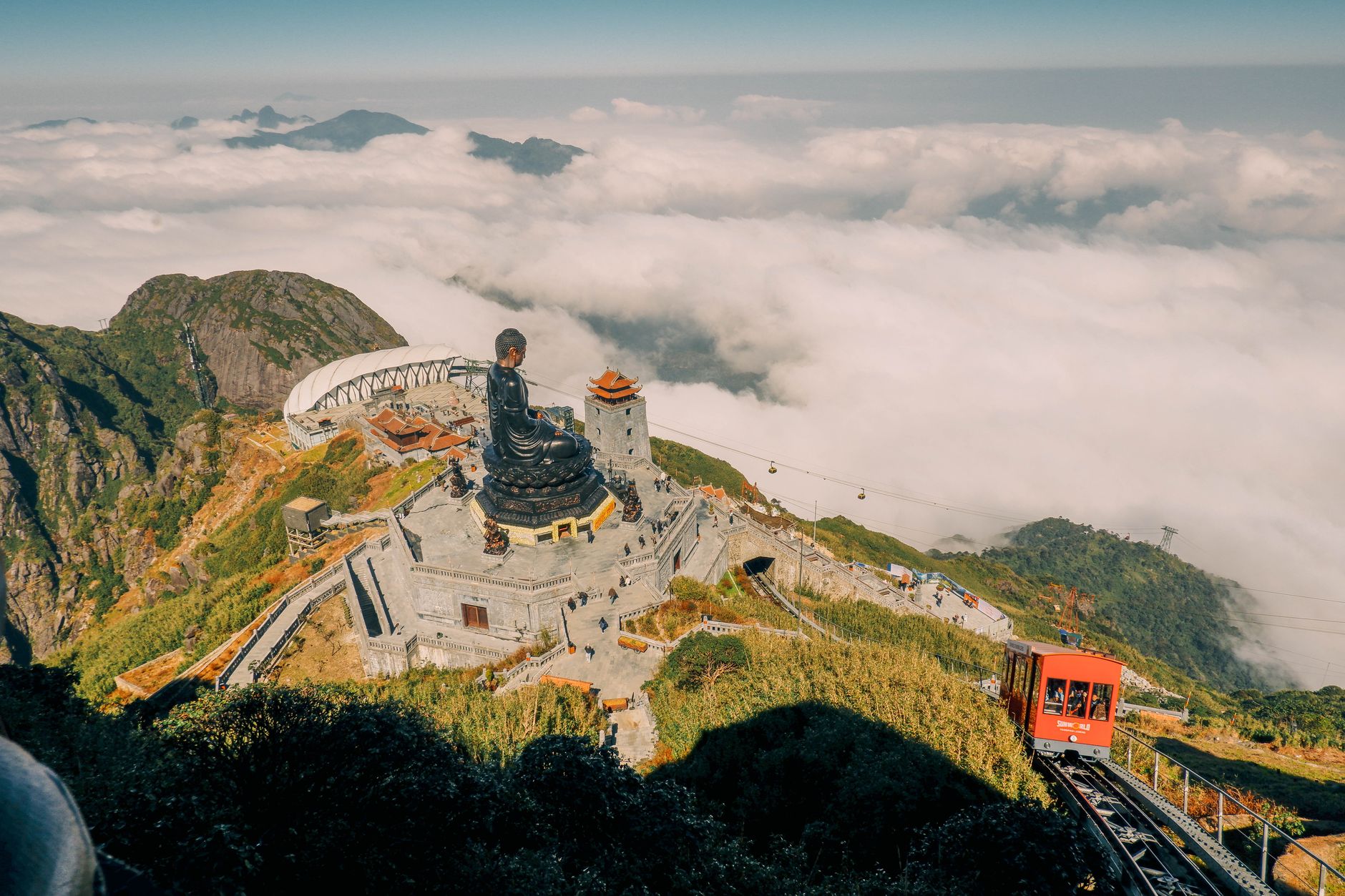
Sa Pa looks over the Mường Hoa valley, covered in rice terraces worked by the Hmong, Dao and Tày. Fansipan, three thousand one hundred and forty-three metres and the highest peak in Indochina, is climbed on foot in two days or by cable car in twenty minutes.
The valley villages — Lao Chải, Tả Van, Giàng Tà Chải — are reached on foot from Sa Pa in a day's walk.
What it really costs
The trek with a night in a village home is the activity that defines the place, and it costs little. Going through a guide from the villages rather than a Hanoi agency changes both the price and where the money goes.
The night train from Hanoi to Lào Cai, then an hour by road, remains the most comfortable and cheapest way in.
What nobody tells you
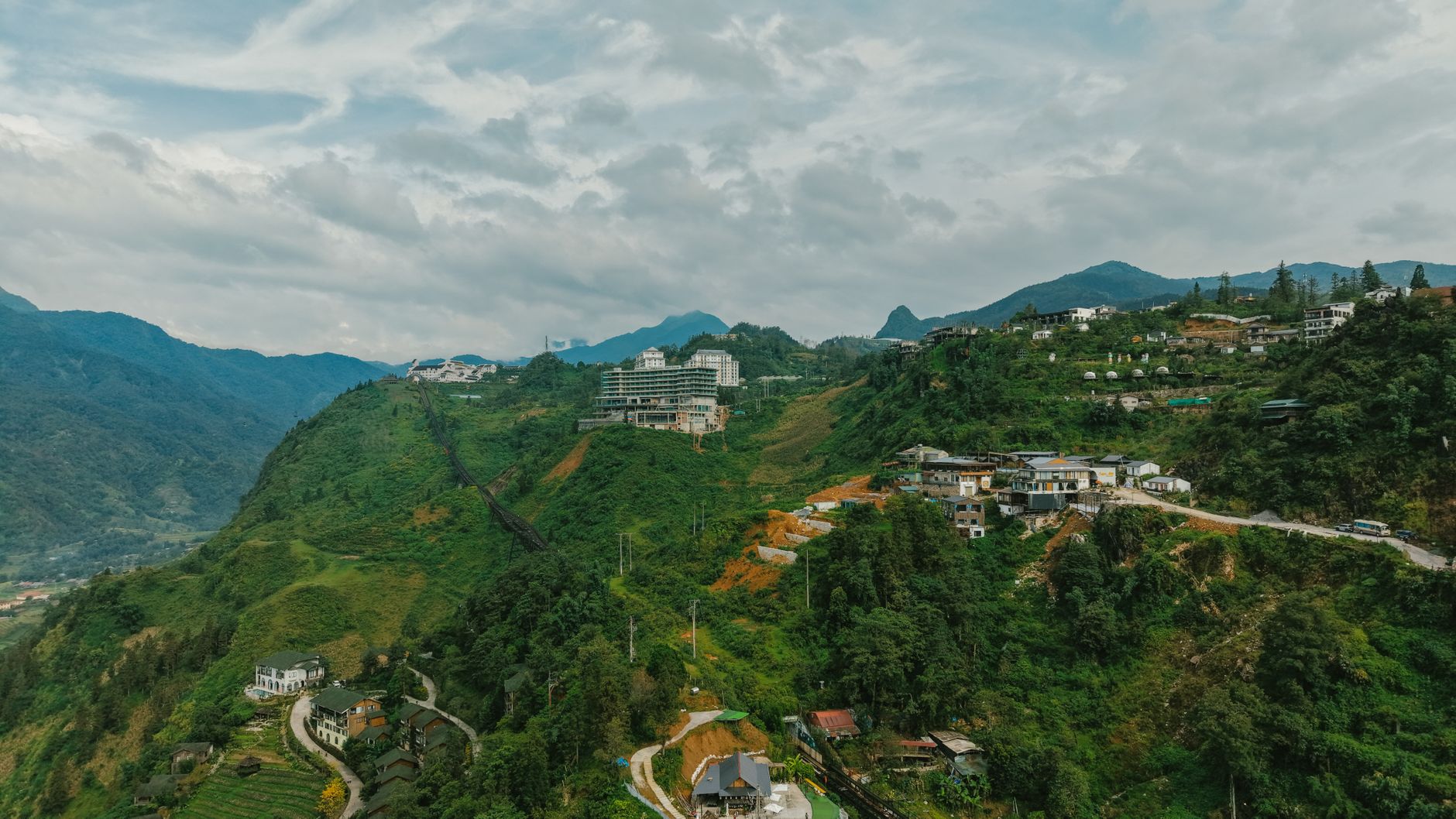
Sa Pa is no longer the village people picture: the town has been heavily built up over the last fifteen years and has multi-storey hotels. The landscape is in the valley, not in town.
The rice terraces are only green part of the year: flooded in May and June, golden in September, bare and brown the rest of the time.
Fog settles in for whole days, dry season included, and Fansipan disappears. It is frequent and it cannot be planned around.