In short
São Paulo has no beach and no postcard: it is a working city, the largest in South America, and Brazil's economic and cultural capital.
Italian, Japanese, Lebanese and Portuguese immigration have made it the best city on the continent to eat in. The largest Japanese community outside Japan lives in the Liberdade district.
What it really costs
Housing costs less than in Rio for better connected neighbourhoods. Vila Madalena, Pinheiros and Jardins hold the workspaces and the street life.
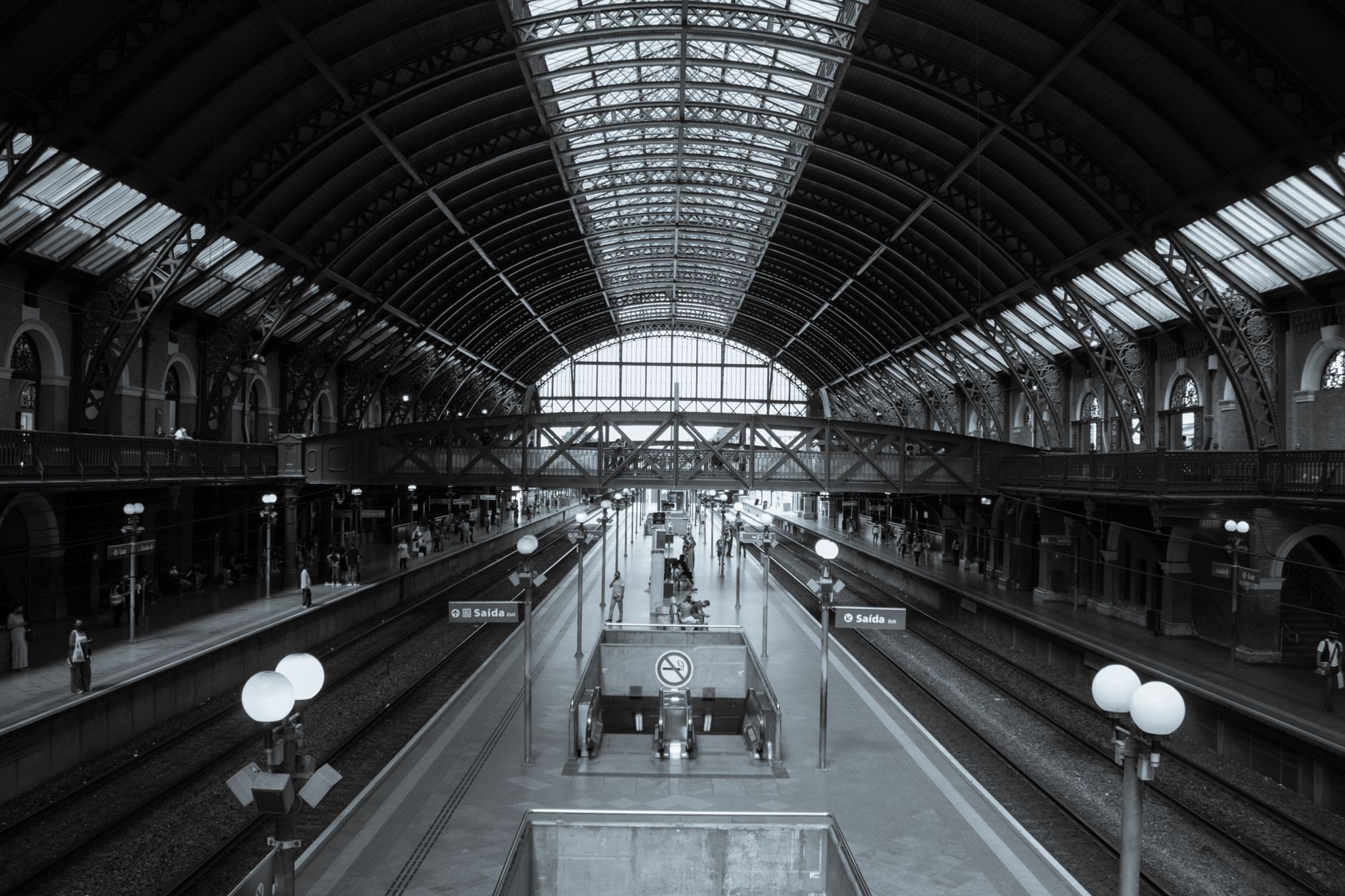
The metro is clean, safe and fast but covers only part of the conurbation. Beyond its reach, ride-hailing apps are the normal mode and cheap.
What nobody tells you
The city is enormous and travel time is the real cost: crossing São Paulo at rush hour takes two hours. Choosing the neighbourhood decides quality of life more than the rent does.
It rains heavily from December to March, with violent evening storms that gridlock the traffic.
Safety varies sharply from street to street, sometimes from one block to the next. Phone out of sight while walking, no visible jewellery: these are local reflexes, not paranoia.