

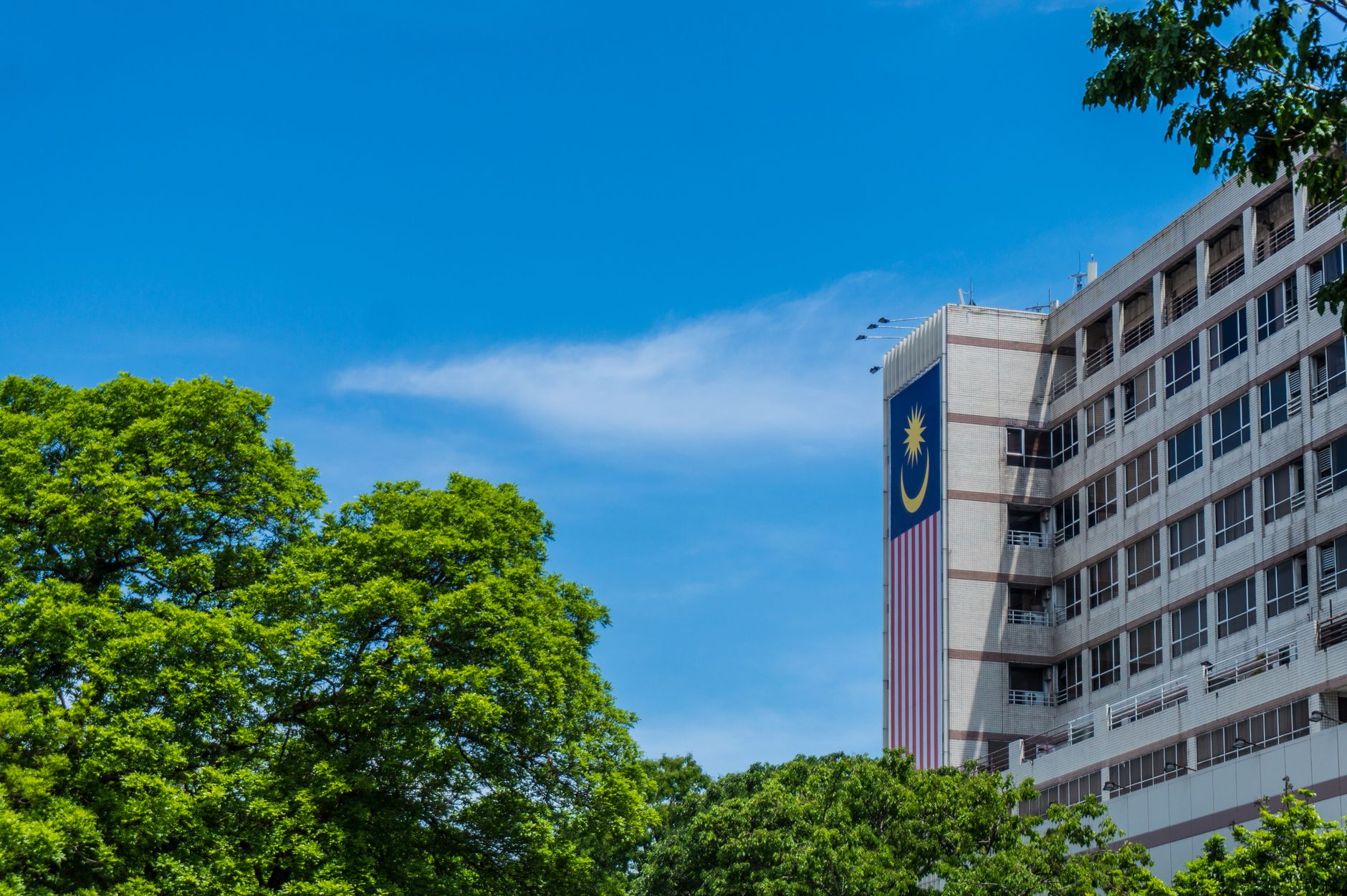
Why Malaysia
Two territories separated by seven hundred kilometres of sea, and they are not alike. The peninsula — Kuala Lumpur, Penang, Malacca, the Cameron Highlands — is urban, dense and easy. Malaysian Borneo — Sabah and Sarawak — is forested, slower and more expensive to cross.
The country is multicultural by structure: Malay, Chinese and Indian communities live side by side, which produces a cuisine and a calendar of festivals with no equivalent in the region. It is also the most developed country in Southeast Asia after Singapore, and it shows in the infrastructure.
The peninsula's two coasts have offset monsoons: the east coast takes its rain from November to February, when the west coast is dry. So there is always a beach in season somewhere.
Entry and stay
The visa-exemption period depends on nationality and is not the same for everyone: some nationalities enter without a visa for a set period, others must obtain one before departure.
For everyone, however, since 1 December 2023 the Malaysia Digital Arrival Card (MDAC) has been compulsory, and it must be completed and validated online within the three days before arrival. The official site is imigresen-online.imi.gov.my.
Source: Malaysian Immigration Department and France Diplomatie, checked on 22 September 2026.
Getting around
The ETS links Kuala Lumpur to Ipoh, Penang and the Thai border on a fast electrified line: it is the best train in mainland Southeast Asia, and it should be booked ahead.
Long-distance coaches cover the rest of the peninsula in high comfort and at very low fares. Domestic flights, AirAsia foremost, are indispensable for reaching Borneo — there is no land link.
Grab operates across the country and shows the fare before the ride.
Money
The ringgit. Cards work in the cities and shopping centres; markets, hawker centres and small transport stay in cash.
Hawker centres are the best value in the country and almost never take cards.
Health
No vaccination required from Europe. Dengue is present year-round, including in the cities, with peaks after the rains.
Private healthcare is of a high standard in Kuala Lumpur and Penang, to the point of drawing regional medical tourism. In Borneo, provision is far more limited outside Kota Kinabalu and Kuching.
Before you go
The country is majority Muslim and that shapes everyday practice: covered dress in mosques and in conservative rural areas, alcohol available but taxed and not everywhere, altered hours during Ramadan.
The drug laws are among the harshest in the world, with penalties that can extend to capital punishment for trafficking. They apply to foreigners without distinction.
Sabah and Sarawak run their own entry controls, even for a traveller arriving from the peninsula: there is an immigration check on arrival in Borneo.