In short
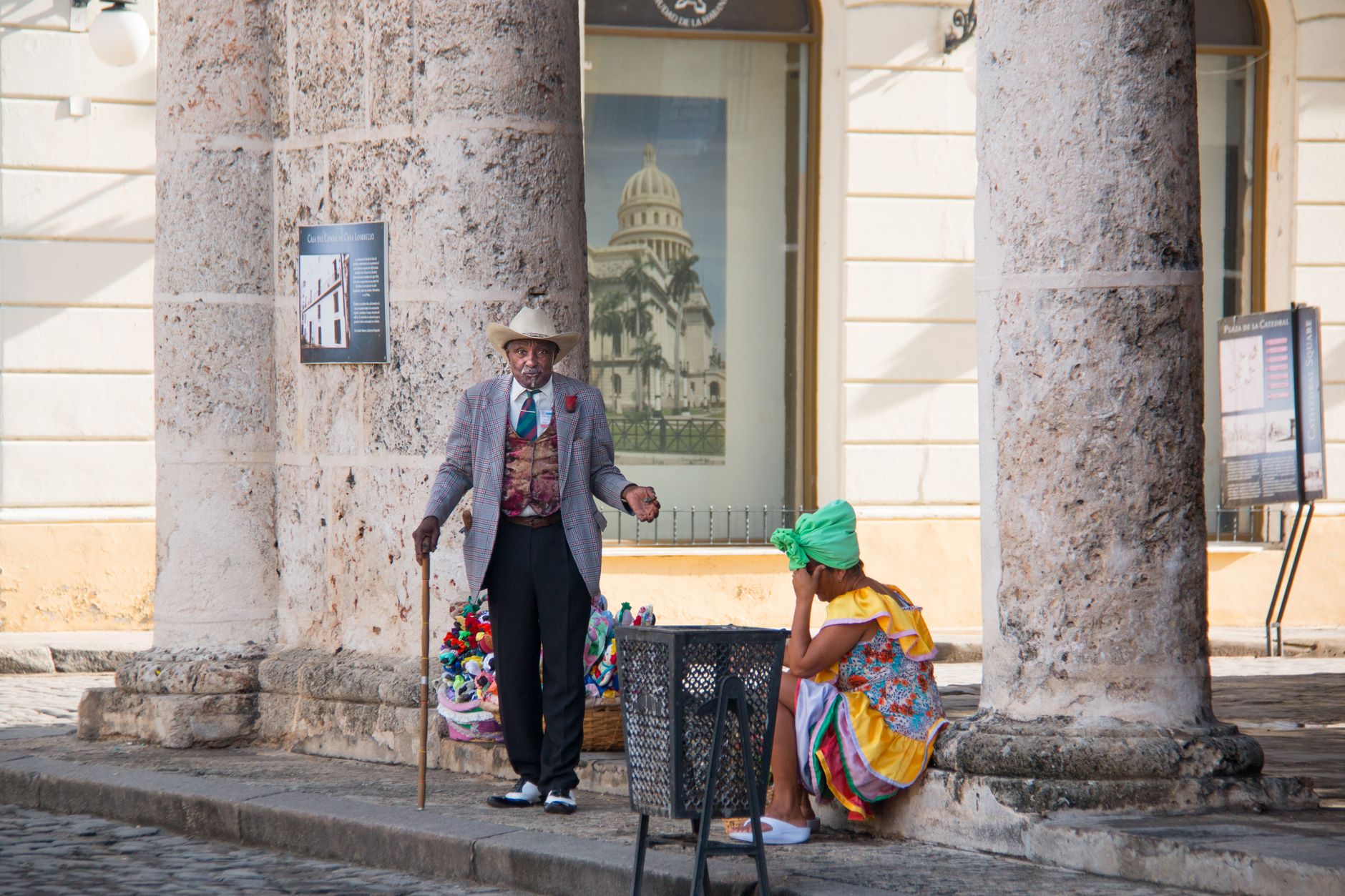
Havana is a city held still by the embargo and by time: the old town, a World Heritage site, is a Spanish colonial ensemble of several hundred hectares, permanently under restoration.
Casas particulares, state-licensed rooms in private homes, are the commonest and most interesting way to stay. They are often booked by word of mouth rather than online.
What it really costs
Almost everything is paid in cash. Cards issued by American banks do not work, and others are accepted very unevenly: you arrive with your euros.
The official and the real exchange rates diverge, and that difference changes the cost of the stay entirely. Finding out before you leave is not optional.
What nobody tells you
The country is going through shortages: electricity, fuel, medicines, sometimes food. Power cuts last several hours a day in some districts, Havana included.
The internet is slow, expensive and intermittent. Working remotely from Cuba is not realistic, which is why this page does not offer it.
Bringing your own medicines and enough to get by is ordinary precaution here, not over-preparation. Many visitors also bring toiletries for their hosts.