

In short
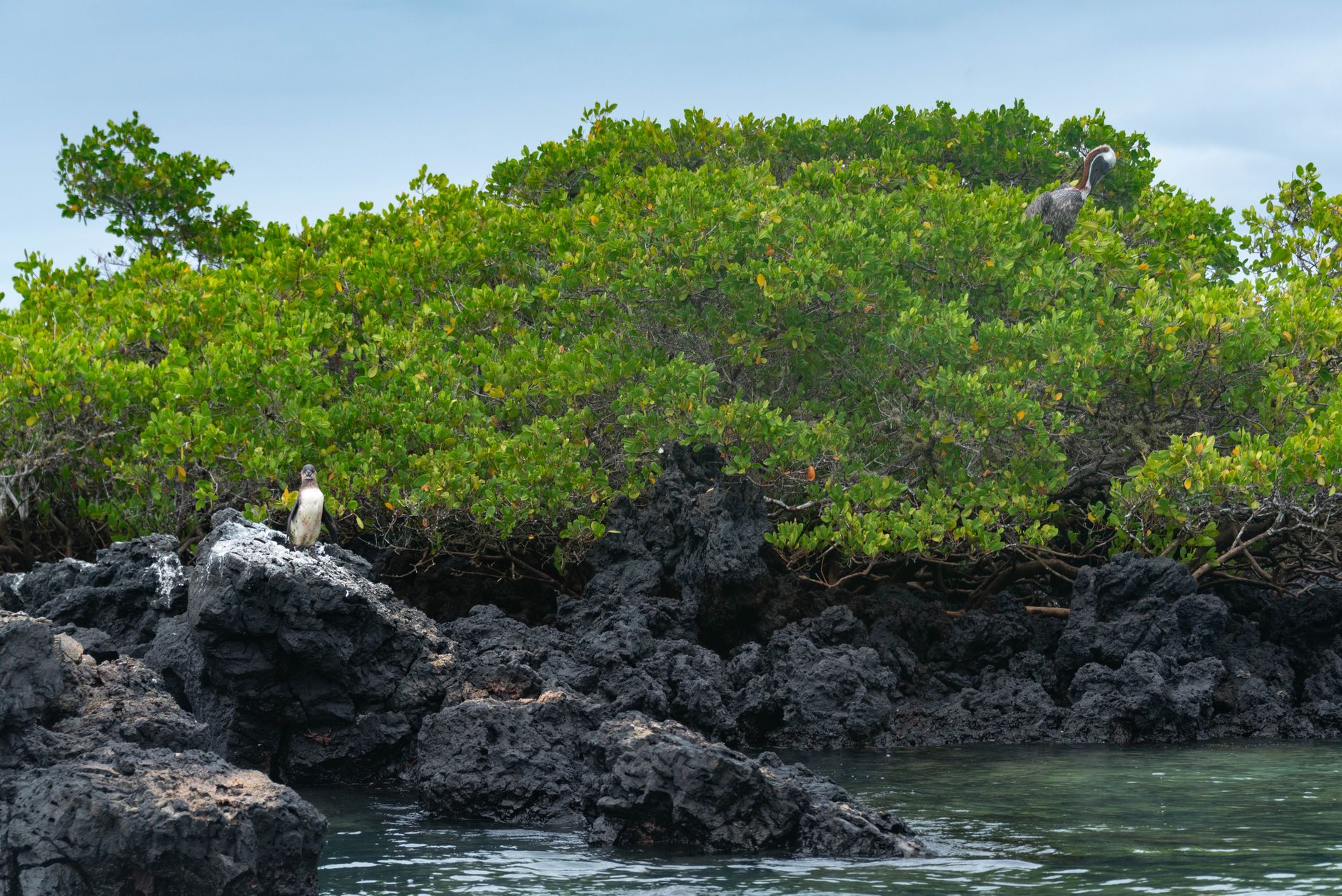
The absence of land predators has produced a fauna without fear: marine iguanas, sea lions, blue-footed boobies and giant tortoises let you come within a few metres.
Ninety-seven per cent of the archipelago is national park, and most sites require a licensed guide. That is not a formality but the condition of what you come to see.
What it really costs
Transport makes the budget: the flight from Quito or Guayaquil, the transit control card, the national park entry fee — recently doubled — then the shuttles between islands.
Two approaches compete. A cruise reaches the outer islands and costs a great deal; a land-based stay with day trips comes to a fraction of that and is enough for many people.
What nobody tells you
A land-based stay does not give access to the same sites as a cruise. Genovesa, Fernandina and Española are reached only by boat: choosing the format means choosing which species you will see.
Only three islands are genuinely inhabited — Santa Cruz, San Cristóbal, Isabela — and the links between them are two-hour lanchas, often rough.
Food prices are those of a remote island: everything arrives by cargo ship from the mainland. Eating at the market in Puerto Ayora changes the budget markedly.