

In short
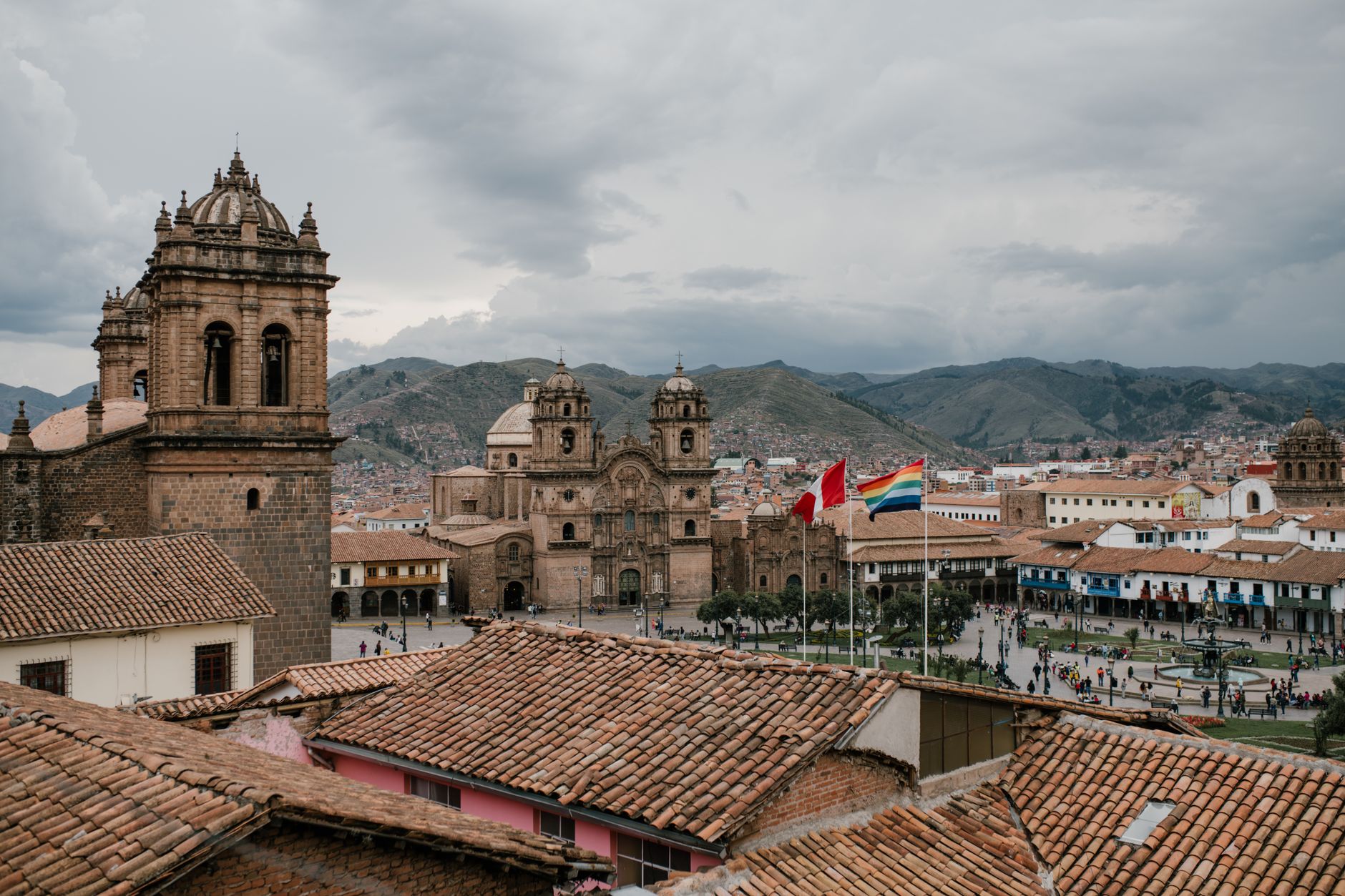
Cusco was the capital of the Inca Empire, and the Spanish city was built literally on its walls: the polygonal stone bases visible in the streets of the centre are Inca, the floors above are colonial. The twelve-angled stone, on Hatun Rumiyoc, is the best known example.
The Plaza de Armas is the centre. San Blas, on the hill, is the artisans' quarter, steeply sloped. San Pedro holds the large market.
Arriving and getting around
Altitude is the first subject: Cusco sits at about 3,400 metres. Soroche, altitude sickness, affects many visitors arriving directly from Lima, at sea level. Allow two slow days before any effort, drink, eat lightly. Many itineraries sleep first in the Sacred Valley, which is lower and more comfortable.
Machu Picchu must be booked in advance, with a limited number of daily entries and predefined visit circuits. The train leaves from Ollantaytambo or Poroy for Aguas Calientes, the only access route outside a trek. Check the rules in force on the Ministry of Culture's official site before building an itinerary: they have changed several times.
The Boleto Turístico covers a set of sites in the city and the Sacred Valley; it does not cover Machu Picchu.
What it really costs
Cusco is more expensive than the rest of Peru, and the Machu Picchu train is an item in itself — one of the most expensive rail links per kilometre in the world.
The San Pedro market allows you to eat for very little.
When to come
May–September is the dry season, the best for trekking. November–March is the rainy season; the Inca Trail traditionally closes in February for maintenance.
Inti Raymi, on 24 June, is the great solstice festival and fills the city.
What nobody tells you
Rainbow Mountain rises above 5,000 metres. It is sold as a day trip from Cusco, but the effort at that altitude is real and sickness is frequent. Do not schedule it before several days of acclimatisation.
Coca leaves, as an infusion or chewed, are in common and legal use in Peru for altitude. They can, however, trigger a positive opiate test and exporting them is prohibited.
Sacsayhuamán, the fortress of cyclopean blocks, is a twenty-minute uphill walk from the Plaza de Armas.


